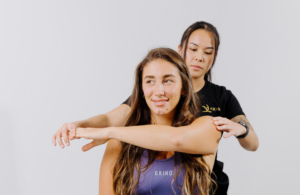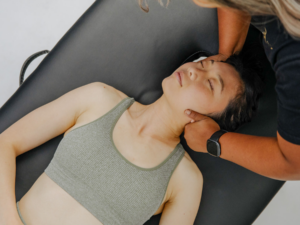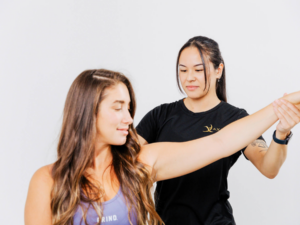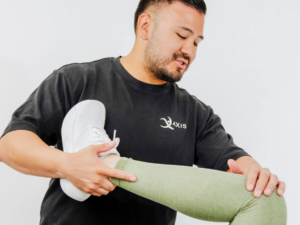

The outcome of any surgery is largely determined by the quality of rehabilitation that follows it. Post-surgery physiotherapy in Markham at Axis delivers structured, phased recovery programs that rebuild strength, restore range of motion, and retrain movement patterns, getting you back to full function, not just pain-free on a good day. Whether you are recovering from a joint repair, spinal procedure, or reconstruction, the rehab plan matters as much as the surgical technique. Our physiotherapy services team at Axis is trained specifically in post-surgical protocols.
Why Your Recovery Plan Matters More Than Your Surgery
Surgeons will often tell you the procedure itself is the straightforward part. What happens in the weeks and months of rehabilitation afterward determines whether you return to full function or carry lingering limitations for years. The Physiopedia overview of post-surgical rehabilitation confirms that structured post-operative physiotherapy significantly improves functional outcomes across a wide range of procedures.
Physiotherapy after surgery in Markham addresses what the scalpel cannot as it restores muscular strength, manages scar tissue, and rebuilds your physical confidence. Without structured intervention, the body’s protective responses can become permanent problems.
- Muscles around surgical sites can lose significant strength within a few weeks of limited activity
- Joints stiffen rapidly without guided range-of-motion work, particularly after shoulder, knee, and hip procedures
- Compensatory movement patterns such as favouring one side, limping, or guarding create secondary problems in adjacent areas if they persist
- Scar tissue, if not mobilized appropriately, matures in a way that restricts movement and function long-term
Starting your surgery rehab physio in Markham at the right time ensures these issues don’t become entrenched.
The Phases of Post-Surgical Rehabilitation
Phase 1: Protection and Early Movement (Weeks 1 to 6)
The priority is managing pain and swelling, protecting the surgical repair, and restoring gentle range of motion within safe limits. Manual therapy and carefully prescribed movements keep things progressing while respecting healing timelines. This phase is guided by your surgeon’s protocol.
Phase 2: Building Foundations (Weeks 4 to 12)
Strengthening begins, targeting the specific muscles that lost conditioning during immobilization. Range of motion progresses, and compensation patterns identified in early post-op are addressed directly.
Phase 3: Functional Restoration (Weeks 8 to 20+)
Movements become increasingly complex: squatting, lunging, rotating, lifting. Exercise programming bridges the gap between clinical rehab and real-life demands, progressively increasing load and complexity.
Phase 4: Return to Sport and Performance (Months 6 to 12+)
For athletes and active individuals, this is the critical final phase. Sport-specific drills, objective strength testing, and movement quality assessments confirm readiness for full activity, based on measurable criteria, not subjective feel.
Procedures We Rehab at Axis Markham
- ACL reconstruction: typically a nine to twelve-month process. See the OrthoInfo ACL rehabilitation guide for an evidence-based overview of return-to-sport timelines
- Meniscus repair: requiring specific weight-bearing protocols distinct from meniscectomy rehabilitation
- Rotator cuff repair: gradual rebuilding of shoulder strength and range across four to six months
- Labral repair (shoulder and hip): restoring stability and sport-specific function after arthroscopic procedures
- Ankle ligament reconstruction: rebuilding balance, proprioception, and explosive movement capacity
- Spinal procedures including post-discectomy and fusion: progressive core stability and movement retraining
- Total knee and hip replacements: restoring mobility, strength, and daily function
- Fracture fixation (ORIF): rebuilding strength and range after bone repair
Why the Physiotherapist Matters as Much as the Surgeon
The surgical technique creates the conditions for recovery. The physiotherapist determines what recovery actually looks like. At Axis, every therapist completes a three-month in-house training program. Post-surgical rehabilitation is a core competency built into that foundation, not an afterthought. The Axis Markham clinic will offer physiotherapy, chiropractic care, and massage therapy under one roof, allowing collaborative, coordinated care throughout your recovery. The Canadian Orthopaedic Association patient resources provides additional patient information on orthopaedic recovery expectations.
Patients across the GTA can also access post-surgery physiotherapy at our Scarborough clinic, Downtown Toronto clinic, and Mississauga clinic locations, each staffed by therapists trained to the same Axis standard.
Frequently Asked Questions
1. When should I start physiotherapy after surgery?
Timing depends on your specific procedure and surgeon’s protocol. Many post-surgical physiotherapy programs begin within days to two weeks of surgery with gentle range-of-motion work. Your Axis physiotherapist will coordinate with your surgical team to confirm the appropriate start point.
2. Do I need a referral for post-surgery physiotherapy in Ontario?
No. Ontario residents can book directly with a registered physiotherapist without a doctor referral. You can start post-surgery physiotherapy in Markham at Axis as soon as you are cleared to begin rehab.
3. How long does post-surgical rehabilitation take?
Recovery timelines vary by procedure. ACL reconstruction typically involves nine to twelve months of structured rehab. Rotator cuff repair is generally four to six months. Total joint replacements often see patients back to daily function within three to four months. Your physiotherapist will give you realistic milestones after assessing your specific situation.
4. Can physiotherapy prevent the need for a second surgery?
In many cases, a high-quality rehabilitation program following a first procedure significantly reduces re-injury risk by rebuilding strength, restoring movement quality, and identifying and addressing the contributing factors that led to the original injury. Return-to-sport readiness is assessed using objective criteria, not just pain levels.
5. Will my physiotherapist communicate with my surgeon?
Yes. Axis therapists follow surgical protocols and maintain communication with referring surgeons when relevant to your recovery plan. Integrated care is central to how Axis operates, and your physiotherapist will flag anything outside normal healing parameters directly.
Your Surgery Is the Beginning. Axis Builds What Comes Next
The repair is done. The quality of your rebuild will shape your outcome for years ahead. Post-surgery physiotherapy in Markham at Axis means a clear plan, skilled hands-on treatment, and a team invested in getting you back to strong, not just okay. Self-referral rights in Ontario are confirmed by the Ontario Physiotherapy Association. No referral is required to book directly with a physiotherapist in Ontario.
Book your post-surgery physiotherapy assessment at Axis Markham at 2880 Major Mackenzie Dr E, Unit 2. Rebuild stronger. That is the Axis standard.
Key Takeaways
- The rehabilitation following surgery determines long-term outcomes more than the surgical technique alone.
- Post-surgery physiotherapy in Markham at Axis follows a structured four-phase approach covering protection, strength rebuilding, functional restoration, and return to sport.
- Axis treats ACL reconstructions, rotator cuff repairs, spinal procedures, joint replacements, labral repairs, and fracture fixations, among others.
- Every Axis therapist completes a three-month in-house training program, and the Markham clinic provides physiotherapy, chiropractic, and massage under one roof.
- No referral is required to start post-surgery physiotherapy in Ontario. Book directly at Axis Markham.