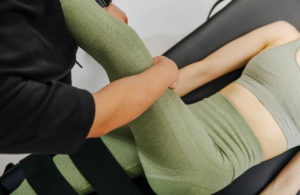

Deep tissue massage after acupuncture can be a highly effective combination for managing musculoskeletal pain, but timing and sequencing matter. Understanding how the two modalities interact helps you get the most from both treatments while avoiding the pitfall of doing too much at once in the same tissue.
Two Powerful Modalities, One Considered Strategy
Both acupuncture and deep tissue massage address musculoskeletal pain and dysfunction, but through different mechanisms. Acupuncture works on neurological and energetic pathways, modulating pain signaling, reducing inflammation, and promoting the release of endogenous opioids and serotonin. Deep tissue massage works mechanically, releasing adhesions, reducing hypertonic muscle tone, improving local circulation, and restoring fascial mobility.
When combined thoughtfully, these two approaches can complement each other in ways that neither achieves alone. In an integrated clinical environment, registered massage therapists may work alongside physiotherapists and chiropractors, allowing practitioners to sequence treatment modalities strategically. This collaborative model supports more cohesive care, where acupuncture and other modalities are incorporated based on individual treatment goals rather than applied in isolation.
What Happens to Tissue After Acupuncture?
Understanding the tissue state following an acupuncture session is the first step in deciding whether and when to schedule deep tissue massage.
Increased Local Circulation
Needle insertion creates a minor local tissue response that increases blood flow to the treated area. This heightened circulation supports healing and tissue repair. Applying deep mechanical pressure immediately after can disrupt this response, which is why the sequencing and intensity of treatment modalities matter when multiple approaches are used together. Understanding how different interventions interact with the tissue recovery process helps practitioners make more informed decisions about timing and technique.
Neurological Modulation
Acupuncture influences the nervous system in ways that affect pain thresholds, muscle tone, and the body’s overall stress response. In the hours immediately following treatment, the nervous system is in a state of recalibration. Introducing additional strong mechanical input in this window can create competing signals that reduce the clarity of either modality’s effect.
Temporary Sensitivity at Needle Sites
Needle sites may remain mildly sensitive for several hours following acupuncture, and deep tissue work over recently needled areas requires care. A skilled therapist will adapt their approach based on a client’s recent treatment history, adjusting pressure, technique, and focus areas to account for any residual sensitivity and ensure each session builds on previous interventions rather than working against them.
Is It Safe to Get a Deep Tissue Massage After Acupuncture?
For most people, yes, with appropriate timing and communication between providers. The key considerations are:
Same-Day Sequencing
If both treatments are scheduled on the same day, acupuncture should typically precede deep tissue massage, not follow it. Acupuncture after deep tissue massage allows the needle work to address residual neural tension and support the tissue response initiated by the massage. The reverse order, deep tissue massage after acupuncture on the same day, can be done effectively if the massage therapist allows at least two to four hours between treatments and avoids heavy pressure directly over needle sites.
Next-Day or Separate-Day Scheduling
For clients managing a significant musculoskeletal condition, scheduling acupuncture and deep tissue massage on separate days is often the more productive approach. Each modality is given its full physiological response window without competing inputs, and separating sessions also makes it easier to identify how each treatment is contributing to recovery. This kind of intentional scheduling helps both the client and practitioner assess progress more accurately and adjust the treatment plan as needed.
Communicating Treatment History at Intake
It’s important to inform a registered massage therapist about any recent acupuncture sessions. This information shapes how they approach needle sites, calibrate pressure, and sequence tissue work within the session. Open communication about recent treatments helps ensure each session is tailored appropriately, and disclosing relevant treatment history at intake is a simple step that can meaningfully improve outcomes.
When Combining Both Treatments Makes Clinical Sense
Several conditions respond particularly well to a combined acupuncture and deep tissue massage protocol:
- Chronic low back pain often involves both neurological sensitization and significant muscular restriction. These complex presentations typically benefit from a multi-modal approach, where acupuncture can address the neurological component while deep tissue massage targets muscular tension and mobility limitations. Coordinating these modalities with input from physiotherapists or chiropractors allows for a more comprehensive treatment strategy tailored to the specific drivers of pain and dysfunction.
- Piriformis syndrome may involve both nerve irritation and hypertonicity of the deep hip rotator muscles. Management of this condition typically focuses on addressing both the neurological and muscular components through an integrated treatment approach.
- Tension headaches may involve both trigger point referral and cervical neural involvement. Management of cervicothoracic headache presentations often includes coordinated care across massage therapy, chiropractic, and acupuncture to address both muscular and neurological contributors.
- Frozen shoulder in the thawing phase may require both neural calming and progressive tissue release. Management typically focuses on gradually restoring mobility and reducing discomfort through an integrated approach that addresses both neurological sensitivity and soft tissue restriction in the shoulder girdle.
- Fibromyalgia where central sensitization and peripheral muscle restriction coexist
How Deep Tissue Massage Extends Acupuncture Benefits
Acupuncture can reduce the neural sensitivity and global muscle guarding that makes deep tissue massage difficult to tolerate in highly sensitized presentations. When acupuncture is performed first and the tissue is given time to settle, the subsequent deep tissue session can access deeper structures more effectively and with less discomfort.
Conversely, deep tissue massage before an acupuncture session can improve the mechanical accessibility of target tissues for needling, particularly in densely restricted areas. Determining the optimal sequencing depends on the individual’s condition and treatment goals, and input from physiotherapy or rehabilitation professionals can help guide that decision within a broader recovery plan.
Practical Guidance for Combining Both Modalities
- Schedule treatments on separate days when managing a significant condition or during the initial treatment phase
- If combining on the same day, allow a minimum of two to four hours between sessions
- Inform both practitioners about your treatment schedule so they can coordinate their approach
- Stay well hydrated before and after both treatments to support tissue response and recovery
- Book a consultation at Axis Therapy to discuss which sequencing is most appropriate for your specific condition
A More Complete Approach to Pain and Recovery
Managing musculoskeletal pain effectively often requires more than one approach. Combining acupuncture and deep tissue massage therapy offers a clinically grounded way to address both the neural and mechanical drivers of a condition. When these modalities are coordinated within an integrated care model, practitioners can tailor treatment sequencing and intensity to match each individual’s presentation.
Frequently Asked Questions
1. How long should I wait between acupuncture and deep tissue massage?
If scheduling on the same day, allow two to four hours between sessions and ensure acupuncture precedes massage. For optimal results with a significant condition, scheduling on separate days gives each modality the full physiological response window without competing inputs.
2. Can deep tissue massage undo the effects of acupuncture?
When timed appropriately, deep tissue massage does not reverse acupuncture effects. If performed immediately over fresh needle sites with heavy pressure, it can disrupt the local tissue response. A skilled therapist who is informed of your recent acupuncture will adapt accordingly.
3. Which should come first, acupuncture or massage?
When combining on the same day, acupuncture first is generally the preferred sequence. This allows the neural calming and systemic response of acupuncture to occur before mechanical tissue work is applied. The massage then works in tissue that has been partially relaxed and neurologically prepared.
4. Are there conditions where combining both is not recommended?
If you have very sensitive or inflamed tissue, a recent acute injury, or a condition that contraindicates manual pressure, the timing and combination of both treatments should be reviewed with your practitioner before proceeding. Your therapist at Axis Therapy will screen for these factors at intake.
5. Does Axis Therapy offer acupuncture alongside massage therapy?
Yes. Axis Therapy and Performance offers an integrated multi-disciplinary environment including massage therapy, acupuncture, physiotherapy, and chiropractic care.
Build a Treatment Plan That Works for Your Body
When both acupuncture and deep tissue massage are applied with clinical intention and proper sequencing, the result is a more complete, faster-progressing recovery. At Axis Therapy and Performance, we help you understand exactly how to structure your care for the best possible outcomes. Book your appointment today and speak directly with a registered massage therapist about integrating deep tissue massage into your broader treatment plan. Visit our locations page to find the Axis Therapy clinic most convenient for you.
Key Takeaways
- Acupuncture and deep tissue massage address different mechanisms of pain and dysfunction and can complement each other effectively when properly sequenced.
- On the same day, acupuncture should precede deep tissue massage with at least two to four hours between sessions.
- Scheduling on separate days provides each modality the optimal response window and clearer tracking of individual effects.
- Always inform your massage therapist of recent acupuncture to allow appropriate adaptation of technique and pressure.
- Axis Therapy Toronto offers integrated care where treatment sequencing is guided by clinical expertise rather than guesswork.