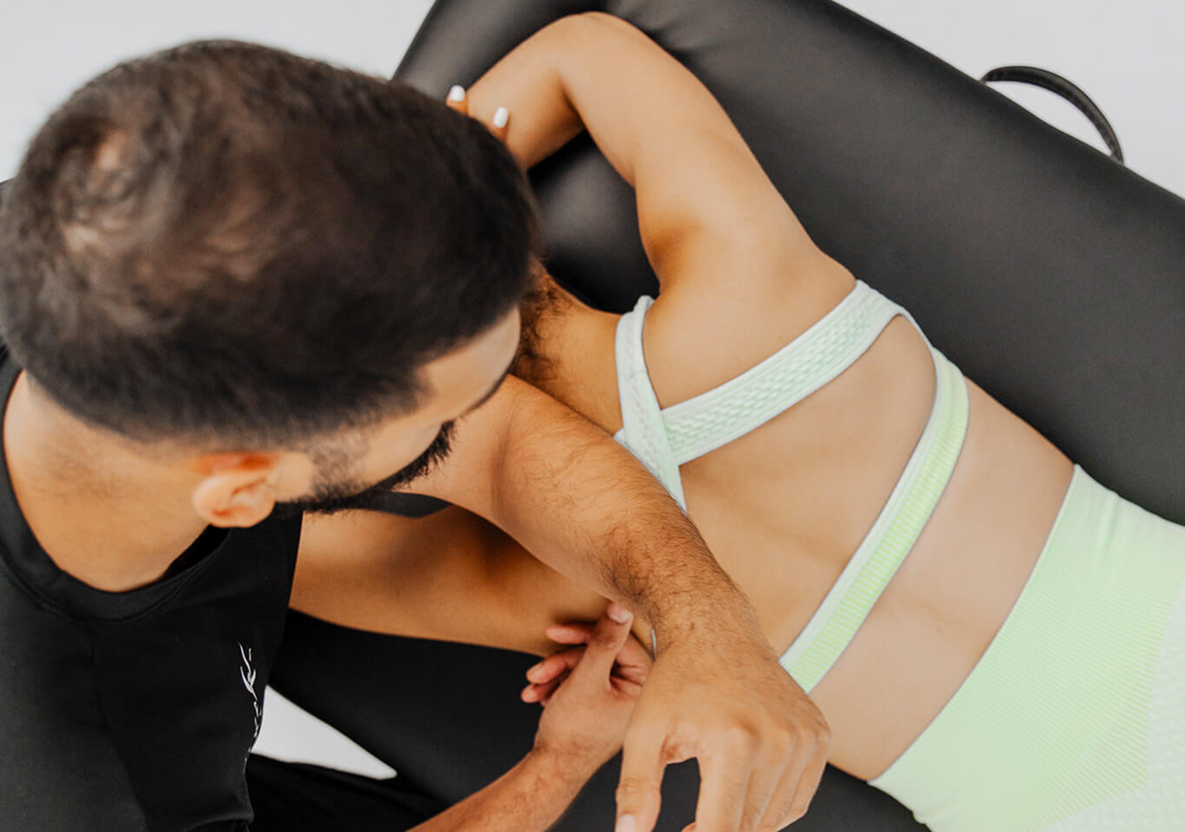
Upper back deep tissue massage targets the thoracic spine musculature, rhomboids, trapezius, and erector group to relieve chronic tension, postural strain, and restricted movement. It is one of the most effective manual therapy interventions for the growing population of people whose upper back pain is driven by prolonged desk work, poor screen posture, and inadequate thoracic mobility.
The Upper Back Pain Epidemic
Upper back pain is one of the most common musculoskeletal complaints among working adults. Prolonged computer use, downward screen viewing, sustained forward head posture, and extended time in a rounded thoracic position often lead to a consistent pattern of tightness, aching, and restricted movement in the mid and upper back. General advice such as “sit up straight” is typically insufficient, as it does not address the underlying tissue restrictions. Upper back deep tissue massage targets these affected structures directly to help relieve tension and restore mobility.
Upper back pain is frequently managed through a combination of massage therapy and physiotherapy. Treatment focuses on reducing immediate muscular restrictions while also addressing the postural habits and movement patterns that contribute to ongoing discomfort. An integrated approach allows for more comprehensive management of posture-related and movement-based pain conditions.
Structures Targeted During Upper Back Deep Tissue Massage
Trapezius
The upper and middle trapezius are among the most chronically overloaded muscles in the body for desk workers and anyone who spends extended periods in a forward head posture. Deep tissue work on the trapezius can help release dense, rope-like trigger points that contribute to headaches, neck stiffness, and pain referred into the shoulder blade region. Trapezius restrictions are closely linked to cervical pain patterns, and addressing them often involves treatment along the entire cervicothoracic chain.
Rhomboids
The rhomboid major and minor retract the scapulae and are perpetually overstretched and eccentrically loaded in a rounded-shoulder posture. This creates a characteristic aching between the shoulder blades that most people instinctively try to reach for with their opposite hand. Deep tissue release of the rhomboids, combined with postural correction, addresses this pattern effectively.
Thoracic Erector Spinae
The erector spinae muscles run the full length of the spine and play a key role in maintaining thoracic extension. Restrictions in this area can limit mid-back mobility and contribute to a hunched posture that reinforces upper back pain. Deep tissue work along the thoracic erectors can restore flexibility and reduce the mechanical load on the facet joints. Addressing these restrictions often involves coordinated approaches, such as combining manual therapy and chiropractic techniques, to improve thoracic spine mobility.
Levator Scapulae and Scalenes
These muscles connect the cervical spine to the shoulder girdle and are commonly tight in individuals experiencing upper back and neck discomfort. Restrictions in the levator scapulae and scalenes can limit neck rotation, elevate the shoulder blade, and cause referred pain into the arm. Releasing tension in these muscles is an important component of a comprehensive upper back massage, as it helps improve neck mobility and shoulder function.
Thoracic Fascia
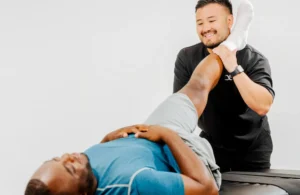
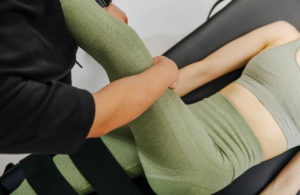
The thoracolumbar fascia extends into the mid and upper back and can become restricted following periods of poor posture or prolonged static loading. Myofascial techniques targeting this structure complement the direct muscle work and address the broader connective tissue restriction limiting thoracic movement. Fascial stretch therapy service complements this work by addressing thoracic and shoulder girdle fascial restrictions through assisted stretching techniques.
Conditions That Upper Back Deep Tissue Massage Addresses
- Chronic mid and upper back aching from desk work and sustained posture
- Thoracic facet joint stiffness can contribute to restricted spinal rotation. Addressing these joints through chiropractic care, often combined with massage therapy, can help improve mobility and reduce back and neck discomfort.
- Tension headaches originating from suboccipital and upper trapezius trigger points
- Neck pain with referred symptoms into the shoulder blade
- Shoulder girdle restriction affecting overhead mobility
- Post-surgical thoracic stiffness following procedures in the chest or upper extremity can be addressed through targeted rehabilitation focused on restoring mobility, reducing stiffness, and supporting functional recovery.
- Upper back pain is common among athletes who participate in throwing or overhead sports. Targeted upper back massage can support recovery, enhance mobility, and help maintain athletic performance.
The Connection Between Upper Back Tension and Headaches
Many clients who present with tension headaches are surprised to learn that the primary driver is not in their head. The suboccipital muscles at the base of the skull and the upper trapezius harbor trigger points that refer pain directly into the forehead, temples, and behind the eyes in a pattern indistinguishable from a tension headache to the person experiencing it.
Deep tissue work targeting the upper cervical and upper thoracic muscles is an effective conservative approach for managing tension headaches. Combining this therapy with techniques that improve thoracic and cervical joint mobility can provide a more comprehensive strategy for addressing cervicothoracic dysfunction and reducing headache symptoms.
What to Expect During an Upper Back Deep Tissue Session
Your therapist begins with a postural assessment and cervical range of motion screen. This identifies the dominant restriction patterns and ensures the session is directed toward the most clinically relevant structures.
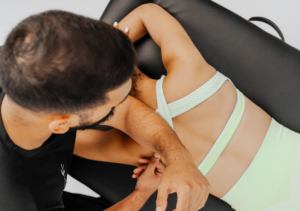
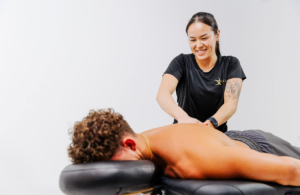
Treatment typically begins in a prone position, working systematically through the thoracic erectors and rhomboids before addressing the upper trapezius and levator scapulae. Side-lying positioning may be used to access specific structures more effectively. Pressure progresses gradually from lighter effleurage to deeper sustained work as the tissue warms and responds.
Sessions at Axis Therapy Toronto typically range from 45 to 90 minutes depending on the complexity of your presentation and whether the upper back is the sole focus or part of a broader treatment covering the neck, shoulders, and lower back.
Postural Rehabilitation Alongside Deep Tissue Massage
Deep tissue massage for upper back pain delivers best results when combined with targeted rehabilitation addressing the movement and postural habits driving the restriction. This typically includes thoracic extension exercises, scapular stabilization training, and ergonomic adjustment for desk-based workers.
A physiotherapy-based approach can help assess workplace setup, guide a progressive exercise program, and coordinate care to support and maintain the improvements achieved during massage therapy. Integrating exercise with hands-on treatment helps reinforce mobility gains, improve posture, and support the transition from pain management to restored function.
Upper Back Care That Goes Beyond Symptom Relief
Upper back pain is a common condition that can often be effectively managed. Treatment typically focuses on relieving tissue restrictions contributing to discomfort while also addressing underlying postural and movement patterns that may lead to recurring symptoms if not corrected. Approaches such as massage therapy services and rehabilitation services can support recovery and help improve long-term function.
Frequently Asked Questions
1. How often should I get upper back deep tissue massage?
For acute presentations, weekly sessions are appropriate in the initial phase. Maintenance for chronic upper back tension is typically managed with bi-weekly or monthly sessions once the tissue has responded and baseline function has improved.
2. Can upper back deep tissue massage help with tension headaches?
Yes. Upper trapezius and suboccipital trigger points are a primary driver of tension headaches. Deep tissue work targeting these structures directly addresses the referral pattern generating headache pain and is one of the most effective conservative interventions for recurrent tension-type headaches.
3. Should I combine upper back massage with physiotherapy?
For many individuals with chronic upper back pain related to posture and movement habits, a combined approach can be effective. Massage therapy can help relieve immediate tissue restrictions, while physiotherapy focuses on addressing underlying movement dysfunction and prescribing corrective exercises to reduce the risk of recurrence. Supporting tissue recovery between sessions may also help improve overall outcomes and manage muscle soreness.
4. Is deep tissue massage safe for thoracic facet joint issues?
Deep tissue massage of the paraspinal musculature is generally safe and beneficial for people with thoracic facet joint stiffness. The work reduces the muscle guarding that compounds joint restriction. If you have a specific diagnosed thoracic condition, inform your therapist at the intake so the session can be appropriately adapted.
5. How do I book an upper back massage at Axis Therapy Toronto?
You can book directly online. No referral is required. Our front desk team will help match you with the right therapist for your presentation and location preferences.
Start Addressing Your Upper Back Pain Today
Upper back pain driven by postural strain and tissue restriction is one of the most treatable conditions in our practice. With the right combination of deep tissue massage and targeted rehabilitation, lasting relief is achievable. Book your upper back massage at Axis Therapy Toronto today and move toward a stronger, more mobile thoracic spine. Visit our locations page to find the Axis Therapy clinic most convenient for you.
Key Takeaways
- Upper back deep tissue massage targets key muscle groups such as the trapezius, rhomboids, thoracic erectors, levator scapulae, and surrounding fascia to reduce tension and improve mobility.
- Chronic upper back pain is commonly associated with prolonged desk work, poor posture, and limited thoracic spine movement.
- Deep tissue massage can help relieve muscle tightness, trigger points, and movement restrictions that contribute to discomfort, stiffness, and reduced function.
- Tension headaches and neck pain are often linked to upper back and cervical muscle restrictions, which can be addressed through targeted manual therapy.
- Combining massage therapy with physiotherapy and postural rehabilitation supports longer-term improvements by addressing both symptoms and underlying movement patterns.
- A comprehensive approach that includes manual therapy, exercise, and ergonomic adjustments can help restore mobility, improve posture, and reduce the likelihood of recurring upper back pain.