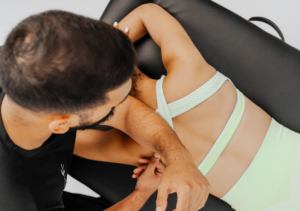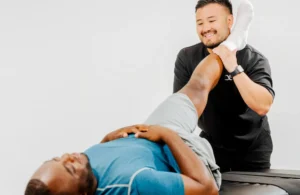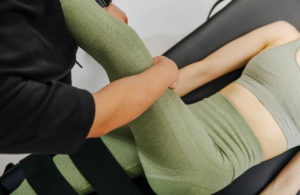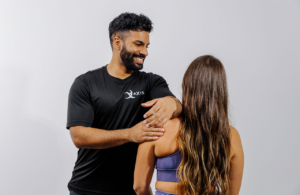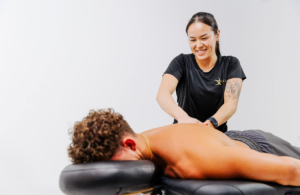
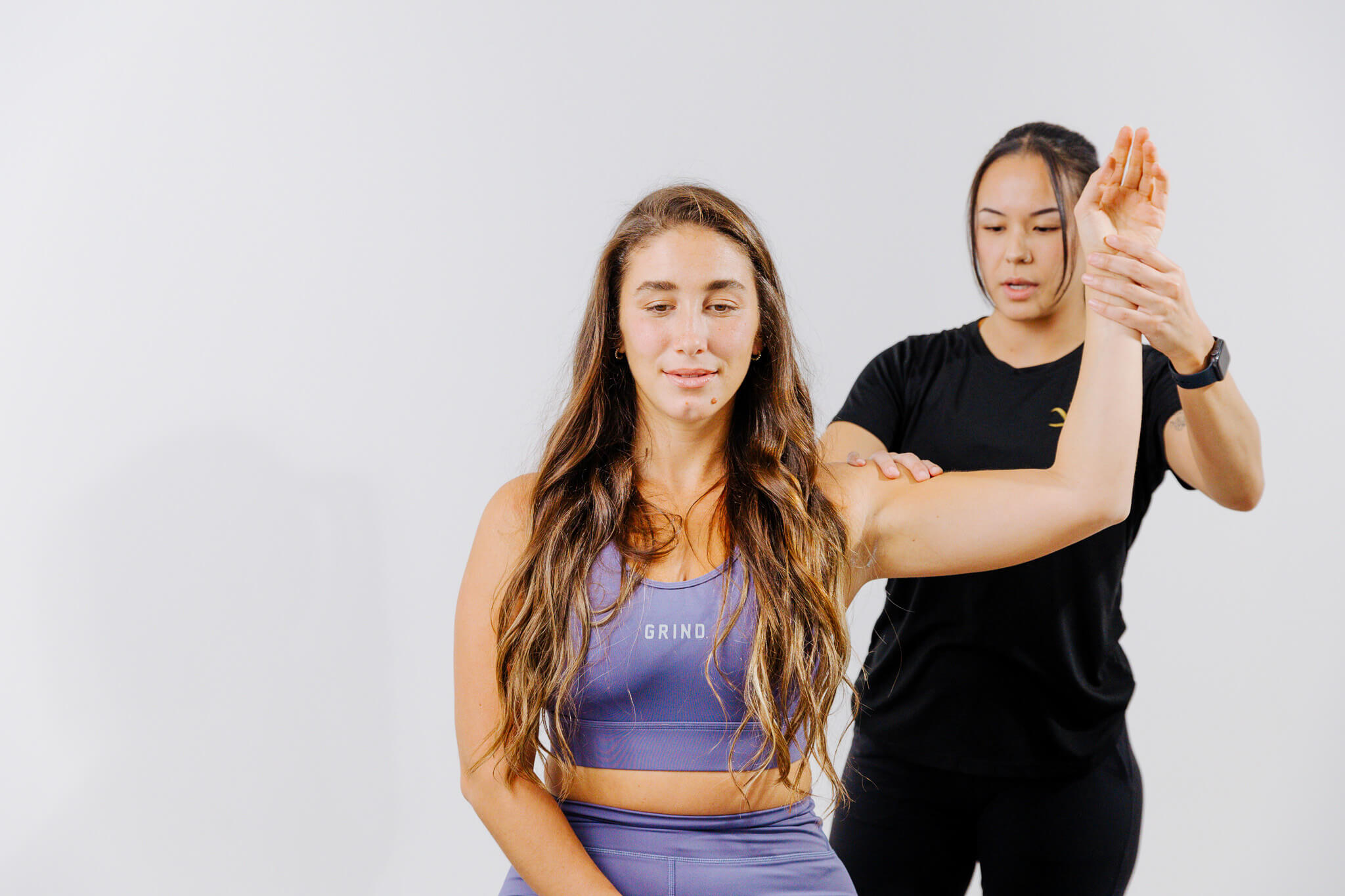
Massage therapy for muscle spasms addresses the neuromuscular drivers of involuntary contraction, reduces the pain cycle sustaining them, and restores normal resting tone to affected tissue. It is one of the most clinically direct interventions available for spasms that have not resolved with rest, hydration, or stretching alone.
What a Muscle Spasm Actually Is
A muscle spasm is an involuntary, sustained contraction of a muscle or group of muscles. Unlike a cramp, which is typically brief and self-limiting, spasms can persist for hours, days, or even weeks, particularly when they are driven by an underlying musculoskeletal condition rather than simple dehydration or overexertion. Massage therapy for muscle spasms works on the physiological mechanisms driving this sustained contraction, not just the surface sensation of tightness.
At Axis Therapy and Performance in Toronto, muscle spasms are a frequent presenting complaint across our massage therapy and physiotherapy services. They often accompany a broader musculoskeletal condition and resolve most effectively when that underlying condition is addressed alongside the spasm itself.
Why Muscle Spasms Develop
Spasms are the body’s protective response to a perceived threat to the musculoskeletal system. They can be triggered by:
- Acute injury such as a muscle strain, joint sprain, or disc herniation
- Chronic overuse and repetitive strain that accumulates beyond the tissue’s recovery capacity
- Postural dysfunction placing sustained, excessive load on specific muscle groups
- Dehydration and electrolyte imbalance reducing the membrane stability needed for normal muscle contraction and relaxation
- Nerve irritation or compression can lead to reflexive protective contractions in the muscles supplied by the affected nerve. These protective spasm patterns are an important consideration in rehabilitation, as they influence movement, loading, and recovery strategies.
- Psychological stress elevating baseline sympathetic tone and resting muscle tension
The spasm itself creates a self-reinforcing cycle. Sustained contraction reduces local blood flow, causing ischemia and metabolite accumulation. This stimulates pain receptors, which signals further protective contraction. Manual therapy breaks this cycle mechanically and neurologically.
How Massage Therapy Relieves Muscle Spasms
Mechanical Pressure and Tissue Lengthening
Direct sustained pressure on a spasming muscle causes it to lengthen through a neurological mechanism called autogenic inhibition. When the Golgi tendon organs within the muscle detect sufficient tension, they signal the muscle to relax. This is the basis for the immediate softening that many clients feel during deep pressure application to a spasming muscle.
Restored Circulation
Muscle spasms are sustained by local ischemia, which can be relieved when manual pressure flushes stagnant metabolites and restores oxygenated blood to the tissue. This improved circulation helps remove chemical irritants that perpetuate the pain–spasm–pain cycle and supports the muscle’s return to its normal resting tone.
Nervous System Downregulation
Massage therapy can influence the autonomic nervous system, helping shift the body from sympathetic dominance toward parasympathetic tone. For muscle spasms influenced by psychological stress or elevated baseline tension, this systemic relaxation can be as important as direct tissue work. Technique selection is tailored to whether the spasm has a primarily mechanical or neurological driver, and acupuncture may complement massage therapy for spasms with a significant neurological or stress-driven component.
Trigger Point Resolution
Many persistent muscle spasms are linked to active trigger points, highly sensitized, hyperirritable areas within the muscle that maintain abnormal contraction patterns. Applying direct ischemic compression to these trigger points, followed by longitudinal stripping of the affected muscle fibers, can relieve local contractures and disrupt referral patterns that often extend beyond the spasm site. Trigger point therapy is commonly integrated into sports- and performance-focused massage to address both localized and secondary muscle tension.
Addressing the Underlying Driver
A spasm that recurs after treatment indicates that the underlying cause has not been fully addressed. Coordinated care between massage therapy, physiotherapy, and chiropractic assessment helps identify the factors generating the protective response. Whether the cause is a facet joint irritation, a disc condition, or a postural loading pattern, the treatment approach considers the full context to reduce recurrence and support long-term muscle function.
Common Locations for Muscle Spasms and How They Are Treated
Lumbar Paraspinals
Lower back spasms are among the most common presentations in clinical practice. They often develop in response to a disc condition, facet joint irritation, sacroiliac joint dysfunction, or acute overload from lifting. Combining deep tissue massage of the lumbar erectors and quadratus lumborum with physiotherapy-led spinal stabilization can address both the muscle response and its underlying cause, supporting improved function and reduced recurrence.
Cervical Paraspinals and Upper Trapezius
Neck and upper back spasms are often linked to postural strain, cervical disc pathology, and stress-related muscle tension. These spasms can produce referred pain into the head and shoulders. Deep tissue and trigger point therapy applied to the cervical and upper thoracic muscles can provide effective relief, and coordinated care that integrates chiropractic and massage therapy supports both symptom reduction and addressing underlying structural or postural contributors.
Hamstrings and Hip Flexors
Spasms in the posterior and anterior thigh are common in runners, cyclists, and field sport athletes. They may result from localized overuse, dehydration during training, or compensatory responses to hip or lumbar dysfunction. Effective treatment addresses both the direct muscle restrictions and underlying contributing factors, often combining sports massage with load management and return-to-sport planning. Physiotherapy for runners supports recovery by targeting hamstring and hip flexor spasms while optimizing running mechanics and performance.
Intercostals and Thoracic
Intercostal muscle spasms produce sharp, often alarming pain with breathing. They typically follow an acute trauma such as a rib injury, a sudden coughing episode, or sustained awkward posture. Gentle soft tissue techniques targeting the intercostals and thoracic paraspinals provide significant relief once serious pathology has been excluded. Our fascial stretch therapy service can complement massage work for thoracic and intercostal presentations by addressing rib cage and thoracic fascial restrictions through assisted stretching.
When Massage Is and Is Not Appropriate for Muscle Spasms
Massage therapy is appropriate for most muscle spasm presentations, with some important exceptions:
- Spasms following suspected vertebral fracture require imaging and clearance before manual therapy
- Spasms associated with acute disc herniation with neurological signs require physiotherapy assessment before massage
- Spasms in the context of an undiagnosed systemic condition or infection require medical evaluation first
- Spasms over an acutely inflamed joint or recently injured area require modified, lighter technique
Your therapist at Axis Therapy screens for all contraindications at intake.If a client’s presentation indicates a condition that requires medical or physiotherapy assessment before massage, appropriate guidance is provided to ensure safe care.
Lasting Relief Requires More Than One Session
A single massage session can provide meaningful relief from an acute muscle spasm. Persistent or recurrent spasms, often driven by underlying structural or postural conditions, require a series of treatments that address both the affected tissue and the root cause. Treatment plans typically progress from immediate symptom relief to strategies that support long-term resolution, functional movement, and return to full activity. Rehabilitation services integrate hands-on care with exercise, load management, and movement retraining to support comprehensive recovery.
Frequently Asked Questions
1. How many massage sessions does it take to resolve a muscle spasm?
Acute spasms following a specific incident often respond within one to three sessions. Chronic or recurrent spasms driven by an underlying structural condition require a longer course of treatment, typically four to eight sessions alongside physiotherapy-led rehabilitation.
2. Can massage therapy prevent muscle spasms from recurring?
Massage therapy helps reduce tissue restrictions and elevated resting tone that can predispose muscles to spasm. When combined with corrective exercise, postural rehabilitation, and appropriate load management, regular maintenance massage can significantly decrease the frequency and severity of recurrent spasms. Exercise programming and progressive strength work further support long-term muscle resilience and help lower the risk of future spasms.
3. Should I apply heat or ice before a massage for a muscle spasm?
For subacute or chronic spasms, gentle heat application before the session can improve tissue compliance and make the massage more effective. For acute spasms with swelling or warmth, ice is more appropriate before treatment. Your therapist will advise based on your presentation.
4. Is it safe to massage a muscle that is actively spasming?
Yes, with appropriate technique. Direct pressure and gradual lengthening of an actively spasming muscle is safe and typically very effective when performed by a trained registered massage therapist. The therapist will calibrate depth and duration based on tissue response.
5. Does Axis Therapy treat muscle spasms alongside physiotherapy?
Yes. Axis Therapy and Performance is a fully integrated clinic where massage therapists and physiotherapists work in the same environment. For spasms driven by an underlying structural condition, coordinated care between disciplines produces the most complete and lasting relief.
Stop the Spasm Cycle at Axis Therapy Toronto
Muscle spasms are not something you simply endure. They are a signal from your body that something in the mechanical or neurological system needs attention. At Axis Therapy and Performance, our registered massage therapists address that signal with clinical precision, and our physiotherapy and chiropractic teams address what is generating it. Book your massage therapy appointment in Toronto today and start the path toward a body that moves without involuntary resistance. Visit our locations page to find the Axis Therapy clinic most convenient for you.
Key Takeaways
- Muscle spasms are sustained involuntary contractions driven by a self-reinforcing pain-ischemia-contraction cycle that massage therapy directly interrupts.
- The primary mechanisms are autogenic inhibition, restored circulation, nervous system downregulation, and trigger point resolution.
- Common spasm locations including lumbar paraspinals, cervical muscles, hamstrings, and hip flexors are all effectively addressed with targeted deep tissue and trigger point techniques.
- Recurrent spasms require identification and treatment of the underlying structural driver, not just symptomatic relief of the spasm itself.
- Axis Therapy Toronto integrates massage therapy and physiotherapy to address both the spasm and its cause under one roof.