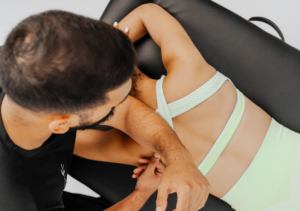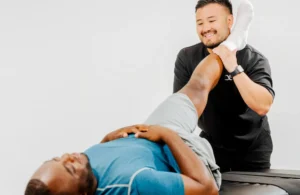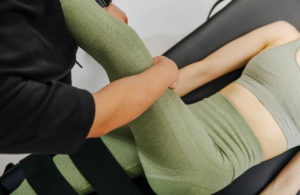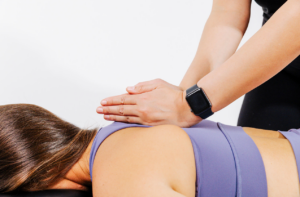
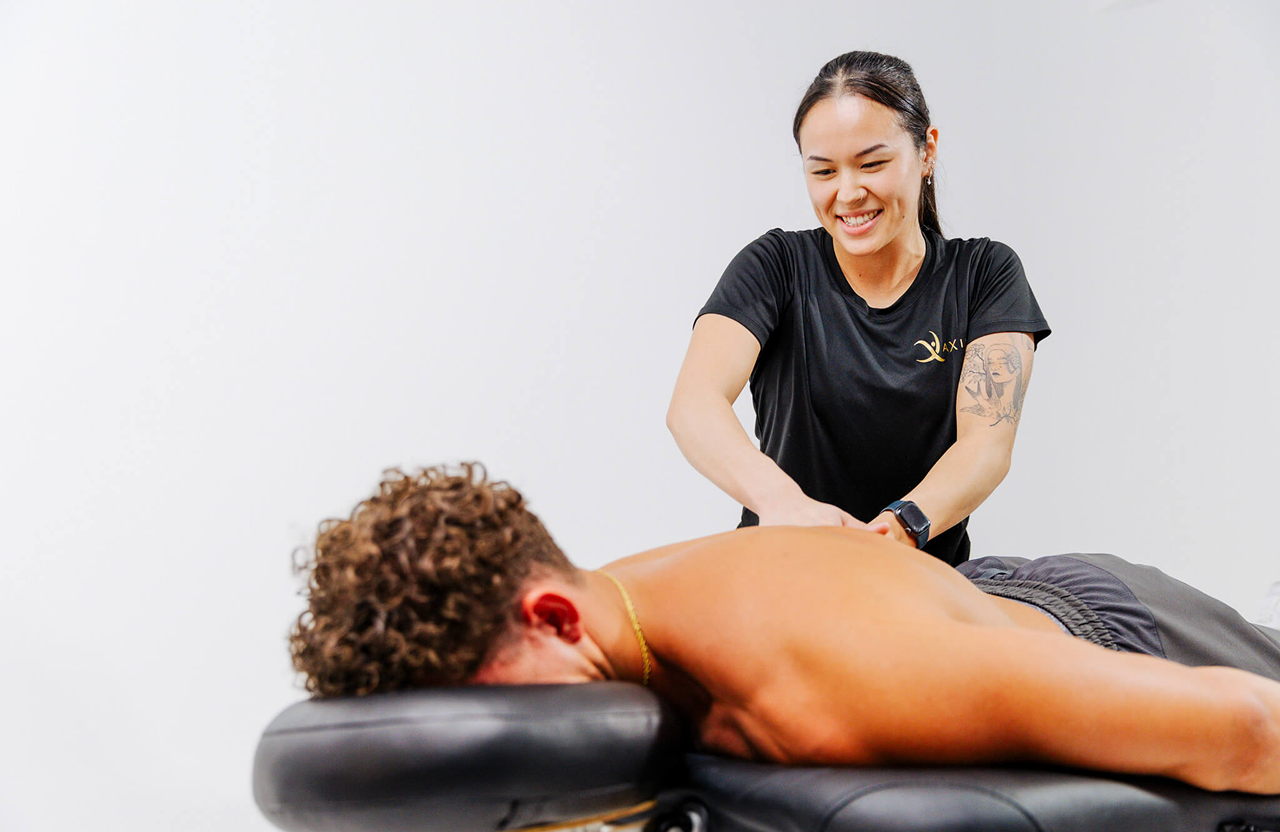
Soft tissue massage in physical therapy targets the muscle, fascia, tendon, and ligament impairments that limit recovery and movement quality. When delivered as part of an integrated physical therapy program rather than as a standalone service, soft tissue massage produces meaningfully faster and more durable rehabilitation outcomes.
Understanding the Role of Soft Tissue Work in Rehabilitation
Physical therapy, or physiotherapy as it is formally recognized in Canada, is a regulated health profession that addresses movement dysfunction, pain, and disability through exercise, manual therapy, and education. Soft tissue massage is part of the manual therapy component of physiotherapy, targeting specific tissue impairments that limit movement and contribute to pain. At Axis Therapy and Performance in Toronto, soft tissue massage and physiotherapy are integrated within the same clinical model, ensuring that manual therapy and active rehabilitation work together toward recovery.
This coordinated approach is a key differentiator. Massage applied in isolation can address tissue restrictions, but physiotherapy-directed progressive loading develops the movement capacity and strength needed to prevent restrictions from returning. Registered massage therapists and physiotherapists collaborate within the same clinic, communicating directly to align treatment plans with rehabilitation goals.
What Soft Tissue Massage Targets in a Physical Therapy Context
Muscle Restriction and Hypertonicity
Injured or overloaded muscle tissue develops elevated resting tone, trigger points, and fiber-level adhesions that restrict movement and generate pain. Soft tissue massage addresses these impairments directly, reducing tone, releasing trigger points, and restoring the extensibility needed for effective rehabilitation exercise.
Fascial Restriction
The fascial system connects all soft tissue structures throughout the body. Injury, surgery, and prolonged immobilization create fascial restrictions that limit joint mobility and create referred pain patterns extending well beyond the primary injury site. Myofascial release techniques integrated into the physical therapy program address this broader connective tissue impairment.
Scar Tissue and Adhesion Management
Post-surgical and post-injury scar tissue is denser, less extensible, and more adhesive than the original tissue it replaces. Without appropriate manual intervention during the remodeling phase, scar tissue matures in a disorganized pattern that limits mobility and predisposes the area to reinjury. Cross-fiber friction and longitudinal stripping techniques within the soft tissue massage component actively shape scar tissue organization.
Tendon and Ligament Tissue Management
Tendons and ligaments respond differently from muscle to manual therapy. For tendinopathy and ligament injury rehabilitation, specific soft tissue techniques including transverse friction and gradual mechanical loading of the tendon-muscle junction are integrated alongside the physiotherapy exercise program to progressively restore tissue tolerance and load capacity.
Circulation and Tissue Nutrition
Healing tissue has elevated metabolic demands. Manual therapy improves local circulation, accelerating the delivery of oxygen and nutrients while removing the metabolic waste products that impair healing. This effect is particularly relevant in the early and mid phases of rehabilitation when tissue repair is actively occurring.
How Soft Tissue Massage and Physical Therapy Complement Each Other
The relationship between soft tissue massage and physical therapy is bidirectional:
Massage Enhances Exercise Response
Tissue that has been appropriately prepared through soft tissue massage responds more effectively to the progressive loading demands of physiotherapy exercise. Reduced resting tone, improved extensibility, and better circulation create the physiological conditions for exercise-driven tissue adaptation to occur more efficiently.
Exercise Maintains Massage Gains
The improvements in tissue quality produced by massage therapy are most durable when the tissue is progressively loaded through a structured exercise program. Exercise drives the tissue remodeling that cements the improvements initiated by manual work. Without it, restrictions frequently return between sessions.
Assessment Findings Inform Both
The movement and tissue assessments conducted by the physiotherapy team identify restrictions that are then specifically targeted in the massage component. The massage therapist’s tissue findings, in turn, inform the physiotherapist’s exercise prescription. This two-way communication is what makes the integrated model at Axis Therapy more effective than either discipline operating independently.
Conditions Addressed Through Integrated Soft Tissue Massage and Physiotherapy
- Post-surgical rehabilitation for knee, hip, shoulder, and spinal procedures
- Sports injuries including muscle tears, ligament sprains, and tendinopathy
- Chronic lower back pain with associated soft tissue restriction
- Whiplash and motor vehicle accident injuries
- Rotator cuff injuries with conservative or post-surgical management
- Hip and groin conditions affecting athletic performance and daily function
- Repetitive strain injuries in the upper extremity from occupational demands
What to Expect from an Integrated Session at Axis Therapy
At Axis Therapy and Performance, a client receiving both massage therapy and physiotherapy will typically experience a seamless coordination between the two disciplines. Your physiotherapist conducts the movement assessment and exercise component. Your registered massage therapist addresses the tissue quality component. Both practitioners are aware of your full treatment plan and the goals for each session.
This integrated structure eliminates the common problem of receiving contradictory advice from separate providers who are not communicating. It also allows your treatment plan to be adjusted rapidly when your condition changes.
Frequently Asked Questions
1.Is soft tissue massage the same as physiotherapy?
No. Soft tissue massage is a component of manual therapy that falls within the scope of practice of both registered massage therapists and physiotherapists. Physiotherapy is a broader regulated health profession that encompasses exercise prescription, movement assessment, patient education, and multiple manual therapy modalities. At Axis Therapy, both disciplines contribute distinct and complementary components to your rehabilitation plan.
2.Can physiotherapists perform soft tissue massage?
Yes. Physiotherapists are trained in manual therapy techniques including soft tissue mobilization. At Axis Therapy, physiotherapists and registered massage therapists collaborate to determine who delivers which component of soft tissue work based on the clinical presentation and the goals of each session.
3.How many sessions of combined soft tissue massage and physiotherapy are typically needed?
This depends on the condition, severity, and individual response to treatment. Most clients with moderate musculoskeletal conditions see meaningful functional improvement within six to ten sessions. Complex or post-surgical conditions require longer programs. Your treatment team at Axis Therapy will outline a realistic timeline at your initial assessment.
4.I need a referral for physiotherapy and massage therapy at Axis Therapy?
No referral is required for either discipline at Axis Therapy. Book directly online and our front desk team will help coordinate your care across both disciplines.
5.Are both massage therapy and physiotherapy covered by insurance?
Both registered massage therapy and physiotherapy are covered under most Ontario extended health benefit plans. Coverage levels vary by plan. Axis Therapy provides direct billing for most major benefit providers. Confirm your specific RMT and physiotherapy annual allowances with your benefits administrator.
Experience Integrated Care at Axis Therapy Toronto
Soft tissue massage delivered within a physical therapy framework is more powerful than either discipline practiced in isolation. At Axis Therapy and Performance, this integration is not a marketing claim. It is how our clinic is structured and how your recovery is managed. Book your appointment today and access the coordinated clinical care that your recovery deserves.
Key Takeaways
- Soft tissue massage in physical therapy addresses muscle hypertonicity, trigger points, fascial restrictions, scar tissue, and tendon/ligament impairments that limit movement and recovery.
- Massage and physiotherapy exercises are complementary: massage prepares tissue for exercise, while exercise maintains and reinforces the benefits of manual therapy.
- Assessment-driven approach: physiotherapists identify movement restrictions, massage therapists address tissue impairments, and findings inform each other’s treatment plan.
- Effective for post-surgical recovery, sports injuries, chronic musculoskeletal conditions, whiplash, and repetitive strain injuries.
- Soft tissue improvements are most durable when combined with progressive exercise, not when performed in isolation.
- Manual therapy techniques include myofascial release, cross-fiber friction, longitudinal stripping, and tendon-specific mobilizations.