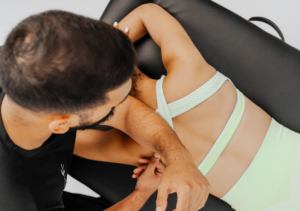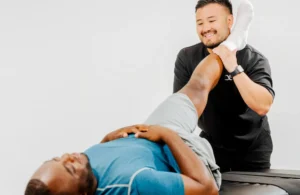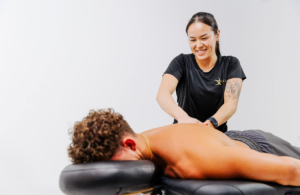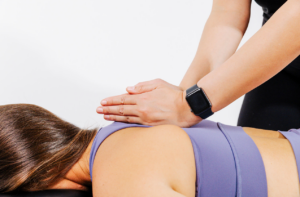
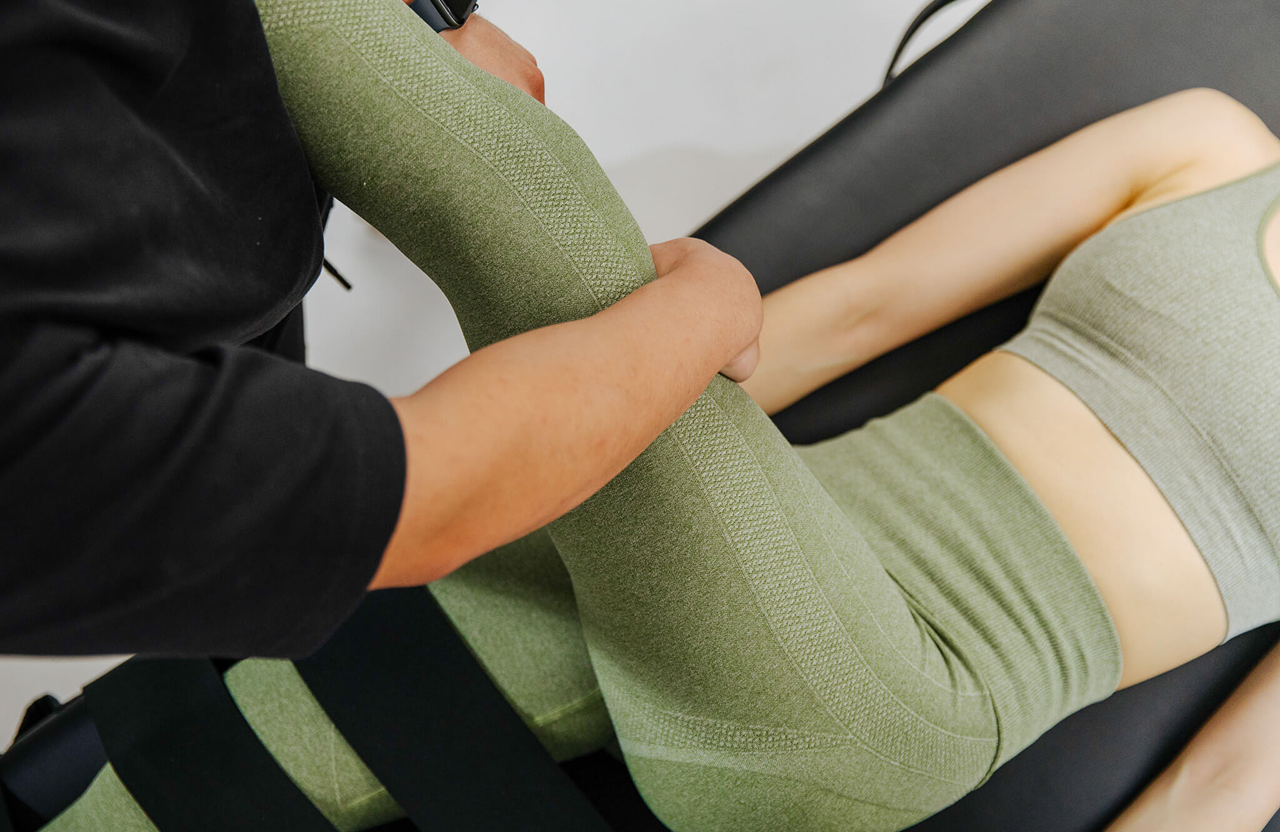
Massage therapy for injury accelerates every phase of the healing process by managing inflammation response, shaping scar tissue formation, restoring tissue extensibility, and reducing the compensatory tension patterns that develop alongside an injury. Applied at the right stage with appropriate technique, it is one of the most clinically impactful interventions available for musculoskeletal injury recovery.
Why Massage Therapy Belongs in Every Injury Recovery Plan
The body’s response to injury is both protective and, without appropriate intervention, self-limiting. The inflammatory phase protects the area and initiates repair. But the guarding, adhesion formation, and compensatory loading patterns that follow can persist long after the original tissue damage has healed, reducing function and significantly increasing reinjury risk. Massage therapy for injury addresses these consequences directly and at every stage of recovery.
At Axis Therapy and Performance in Toronto, injury management is one of the primary reasons clients seek care across our massage therapy, physiotherapy, and chiropractic services. The integrated model we operate ensures that manual therapy, exercise rehabilitation, and joint management are coordinated toward the same recovery goal.
The Three Phases of Injury Recovery and Where Massage Fits
Phase 1: Inflammatory Phase (Days 1 to 5)
Acute inflammation is a necessary and protective biological process. Attempting to massage aggressively during this phase increases tissue disruption and can prolong the inflammatory response. The appropriate manual intervention at this stage is light lymphatic drainage to support fluid management, gentle distal work to maintain circulation without loading the injury site, and positioning guidance to reduce unnecessary mechanical stress.
Phase 2: Proliferative Phase (Days 5 to 21)
As the acute response settles, fibroblasts begin depositing new collagen at the injury site. This is the critical window for shaping how that collagen organizes. Massage therapy techniques including cross-fiber friction and gentle longitudinal work guide collagen fiber alignment along functional lines of stress, producing scar tissue that is more extensible and durable than what forms with rest alone. Treating the compensatory tension in adjacent structures also begins in earnest during this phase.
Phase 3: Remodeling Phase (Week 3 to 12 Months)
The remodeling phase is where the injury site is rebuilt toward full functional capacity. Deep tissue massage, myofascial release, and progressive joint mobilization address residual restrictions. The massage component works in parallel with the physiotherapy-led progressive loading program, with each modality reinforcing the other’s effects.
Types of Injuries Treated with Massage Therapy at Axis Therapy
Muscle Strains and Tears
Graded from microscopic fiber disruption to complete rupture, muscle strains are among the most common sports and activity-related injuries. Massage therapy addresses adhesion formation, compensatory muscle guarding, and the trigger point activity that frequently develops in adjacent structures during the protection phase. Timing of intervention is critical and guided by clinical assessment at each session.
Ligament Sprains
Ligament sprains generate significant soft tissue disruption beyond the ligament itself. The surrounding musculature enters protective guarding immediately, and the fascial structures adjacent to the joint become restricted. Massage therapy for ligament injuries addresses the soft tissue component alongside the joint stabilization work done in physiotherapy.
Tendinopathy
Tendinopathy involves degenerative change within the tendon structure driven by cumulative overload. Cross-fiber friction and specific loading techniques applied to the tendon during the massage session, combined with physiotherapy-prescribed eccentric loading, are the most evidence-supported approach to tendinopathy rehabilitation.
Whiplash and Soft Tissue Injuries
Whiplash following a motor vehicle accident or contact sport impact creates widespread soft tissue disruption across the cervical and thoracic spine. The combination of protective guarding, fascial restriction, and neural sensitization requires a structured, staged approach. Massage therapy addresses the soft tissue component while physiotherapy manages movement rehabilitation and neural desensitization.
Post-Surgical Soft Tissue Recovery
Surgery creates deliberate tissue disruption that requires the same careful rehabilitation as traumatic injury. Scar tissue management, restoration of joint-adjacent mobility, and progressive return to loading are all areas where massage therapy plays a meaningful role in post-surgical recovery. Axis Therapy’s integrated model ensures massage and physiotherapy are coordinated throughout the post-surgical rehabilitation program.
Specific Techniques Used in Injury Massage Therapy
Cross-Fiber Friction
Applied perpendicular to fiber direction at injury or scar sites to break down adhesions, promote collagen reorientation, and restore tissue extensibility.
Longitudinal Stripping
Sustained pressure applied along the length of a muscle or tendon to release fiber-direction restrictions and reduce hypertonic compensation patterns in surrounding structures.
Myofascial Release
Gentle sustained pressure targeting fascial restriction across a broader tissue network, addressing the global tension patterns that develop around an injury site.
Lymphatic Drainage
Light, rhythmic techniques supporting fluid movement in the early post-injury phase to reduce edema and accelerate the clearance of inflammatory byproducts from the injury site.
Trigger Point Therapy
Direct ischemic compression of the hyperirritable points that develop in muscles responding to injury-related loading changes, reducing referred pain and normalizing muscle tone.
How the Axis Therapy Integrated Model Accelerates Injury Recovery
The most significant factor in the quality of injury recovery is not the individual technique applied, but the coordination between the people applying it. At Axis Therapy and Performance, your registered massage therapist communicates directly with your physiotherapist and chiropractor about your current healing phase, tissue findings, and response to treatment. Your exercise program is adjusted based on what the massage therapist is finding in the tissue. Your massage approach adapts as the physiotherapy program progresses your loading.
This coordinated clinical process is a standard component of care at Axis Therapy. The clinic’s rehabilitation and injury management services are delivered across multiple locations in the Greater Toronto Area, reflecting an integrated approach to supporting a range of injury types.
Frequently Asked Questions
1.When is it safe to start massage therapy after an injury?
For most soft tissue injuries, gentle massage is appropriate from day five to seven once acute inflammation has settled. Severe injuries, fractures, or post-surgical presentations require a more conservative timeline and clinical clearance. Your therapist at Axis Therapy will assess your healing stage at intake and advise accordingly.
2.How many massage sessions are needed for injury recovery?
Session requirements vary significantly by injury type and severity. A Grade I muscle strain may require three to five sessions. A post-surgical recovery program or significant ligament injury may require ten to twenty sessions across a multi-month period. Your treatment team will outline a realistic timeline at your initial assessment.
3.Can massage therapy replace physiotherapy for injury recovery?
No. Massage therapy and physiotherapy address different components of injury recovery. Massage addresses tissue quality, restriction, and pain. Physiotherapy addresses movement mechanics, strength, and functional loading progression. For most significant injuries, both disciplines contribute necessary and non-overlapping components to a complete recovery plan.
4.Is massage therapy for injury covered by insurance in Ontario?
Registered massage therapy is covered under most Ontario extended health benefit plans. Motor vehicle accident injuries may also be covered through auto insurance with an appropriate treatment plan. Axis Therapy provides direct billing and can guide you through the claims process for both benefit types.
5.Does Axis Therapy treat sports injuries alongside physiotherapy and massage?
Yes. Axis Therapy and Performance is built specifically for this type of integrated sports and rehabilitation care. Our registered massage therapists and physiotherapists work within the same clinic, communicate directly, and coordinate your treatment plan toward a defined return-to-function goal.
Start Your Injury Recovery with Expert Clinical Care
Injury recovery is too important to leave to a single discipline or a generic treatment protocol. At Axis Therapy and Performance, you receive the full benefit of an integrated clinical approach where massage therapy, physiotherapy, and chiropractic care work together toward your complete recovery. Book your appointment at Axis Therapy Toronto today and start the most direct, clinically informed path back to full function.
Key Takeaways
- Massage therapy accelerates injury recovery by reducing inflammation, improving scar tissue formation, restoring mobility, and relieving muscle tension.
- Treatment must match the healing phase, using gentle techniques early and deeper, more targeted methods later.
- It is effective for injuries such as muscle strains, ligament sprains, tendinopathy, whiplash, and post-surgical recovery.
- Massage therapy and physiotherapy play complementary roles—one improves tissue quality, the other restores strength and movement.
- A coordinated, multidisciplinary approach leads to faster recovery and better long-term outcomes.