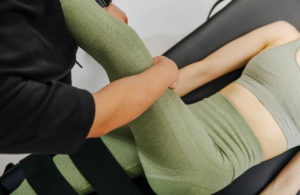

Deep tissue massage for lower back pain targets the deeper muscle layers and connective tissue structures responsible for chronic discomfort and restricted movement. Unlike general relaxation work, it addresses the root mechanical drivers of pain rather than surface-level tension. At Axis Therapy and Performance in Toronto, this technique is delivered as part of an integrated clinical approach that combines hands-on treatment with rehabilitation programming.
Why Lower Back Pain Keeps Coming Back
Lower back pain is one of the most common reasons individuals seek physical therapy in Toronto. It may develop from prolonged sitting, postural strain, sports injuries, or repetitive movement patterns, and often persists despite stretching or rest. In many cases, the issue extends beyond muscle tightness, involving restricted fascia, compressed spinal structures, and overworked stabilizing muscles compensating for underlying mechanical dysfunction.
Deep tissue massage offers a more targeted approach to managing lower back pain by addressing these deeper structures. Using specific manual techniques, registered massage therapists work through multiple tissue layers to improve circulation, reduce inflammation, and support better movement patterns. The focus is on addressing the root contributors to pain to promote more sustained improvement over time.
What Is Deep Tissue Massage?
Deep tissue massage applies slow, deliberate pressure to access the deeper layers of skeletal muscle and the surrounding connective tissue. Unlike a standard relaxation massage, the techniques require the therapist to work systematically through superficial tissue before reaching the deeper structures driving dysfunction.
For the lower back specifically, the work often focuses on the erector spinae, quadratus lumborum, and the thoracolumbar fascia. These structures support spinal alignment and transfer load through the trunk. When they become restricted or hypertonic, the result is the familiar pattern of aching, stiffness, and limited range of motion that most people associate with lower back pain treatment in Toronto.
How Deep Tissue Massage Addresses Lower Back Pain
Breaking Down Adhesions
Repeated strain or inadequate recovery leads to micro-scarring within muscle fibers. Over time, these adhesions accumulate and restrict the natural glide between tissue layers. Deep tissue work breaks down this scar tissue, allowing muscle fibers to move independently again.
Improving Circulation
Restricted tissue has reduced blood flow, which slows healing and increases pain sensitivity. Deep pressure stimulates vasodilation in the treated area, flooding tissues with oxygen-rich blood and accelerating the removal of metabolic waste. The Ontario Physiotherapy Association recognizes manual therapy as a core component of evidence-based lower back pain management.
Reducing Nerve Sensitivity
Chronic lower back pain often involves sensitized nerve pathways that continue sending pain signals long after the original injury has healed. Manual therapy, when combined with a broader physiotherapy and rehabilitation plan, can desensitize these pathways and reduce the overall pain response over time.
Releasing Fascial Restriction
The thoracolumbar fascia connects the lower back to the pelvis, hips, and upper back, playing a key role in coordinated movement. When this structure becomes tight or restricted, it can limit mobility across the entire kinetic chain. Myofascial release techniques used within deep tissue massage help restore fascial mobility and support more efficient, functional movement. Research published by the National Institutes of Health highlights the role of myofascial therapy in reducing chronic musculoskeletal pain. Fascial stretch therapy may also be incorporated to address broader movement restrictions throughout the body.
Who Benefits Most from This Treatment
Deep tissue massage for lower back pain is well suited for:
- Office workers experiencing postural strain from prolonged sitting
- Athletes managing muscle fatigue or strain in the lumbar region
- Individuals recovering from a herniated disc or sacroiliac joint dysfunction
- Those who have tried general stretching or foam rolling without lasting relief
- People managing chronic lower back conditions alongside active physiotherapy
For individuals experiencing persistent discomfort over weeks or months, working with a registered massage therapist can support a structured and clinically informed approach to care.
What to Expect During a Session
Your therapist begins with a brief intake to understand the location, nature, and history of your lower back pain. They assess your posture and movement quality before beginning any hands-on work.
Treatment starts with lighter effleurage strokes to warm the superficial tissue. The therapist then applies progressively deeper pressure using thumbs, forearms, and elbows to access the target structures. Communication throughout is important. You should feel productive therapeutic pressure, not sharp or shooting pain.
Many clients at our Toronto clinic combine deep tissue massage with corrective exercise programming or chiropractic care to address the structural drivers of their lower back pain alongside the tissue-level work. The Canadian Chiropractic Association outlines how chiropractic and manual therapy work together to manage spinal and musculoskeletal pain, which aligns directly with the collaborative model at Axis Therapy.
How Many Sessions Does It Take
There is no universal timeline for recovery, but most individuals with moderate chronic lower back pain notice measurable improvement within three to five sessions. Acute cases may respond more quickly, while long-standing conditions often require a longer series of treatments combined with active rehabilitation.
Collaborative care involving registered massage therapists, physiotherapists, and chiropractors can help address the full clinical picture. Sports massage, in particular, may benefit athletes whose lower back pain is linked to training load or movement pattern dysfunction.
Is Deep Tissue Massage Safe for Lower Back Pain
For most people, yes. Deep tissue massage is a well-researched intervention for musculoskeletal pain conditions and is generally safe when performed by a qualified registered massage therapist who conducts a proper intake and adapts pressure to the individual.
Certain conditions require caution or modification. If you have osteoporosis, a recent vertebral fracture, an active infection, or an undiagnosed disc condition, consult your physiotherapist or physician before beginning massage therapy. The College of Massage Therapists of Ontario provides public guidance on standards of practice and scope of care for registered massage therapists in Ontario.
Axis Therapy therapists are trained to screen for contraindications and adjust treatment accordingly. Our integrated care model means any concerns can be escalated directly to a physiotherapist within the same clinic.
Deep Tissue Massage as Part of a Comprehensive Recovery Plan
Massage therapy is most effective when used as part of a broader treatment strategy. It can be combined with movement rehabilitation, postural correction, and patient education to address both symptoms and underlying causes. Lower back pain may stem from sports injuries, workplace ergonomics, or long-standing chronic conditions, and treatment approaches are typically adapted to reflect each individual’s clinical presentation.
Move Toward a More Comfortable, Pain-Free Back
Lower back pain does not have to be your baseline. Deep tissue massage, when applied with a clear clinical focus, can lead to measurable improvements in mobility and day-to-day function. By addressing the underlying contributors to pain, this approach supports more efficient movement and a more sustainable path to recovery over time.
Frequently Asked Questions
1. How is deep tissue massage different from a regular massage for lower back pain?
A regular relaxation massage works primarily on the superficial musculature to reduce general tension and promote circulation. Deep tissue massage applies sustained pressure to reach the deeper muscle layers and connective tissue structures that are often the actual source of chronic lower back pain. It is a clinical technique with specific therapeutic targets, not a generalized spa service.
2. Will deep tissue massage make my lower back pain worse before it gets better?
Some clients experience mild soreness for 24 to 48 hours after a session, particularly if the tissue was significantly restricted before treatment. This is a normal physiological response and typically resolves quickly. Soreness is different from sharp or radiating pain, which should be reported to your therapist immediately.
3. How often should I get a deep tissue massage for lower back pain?
For acute presentations, weekly sessions are often appropriate in the initial treatment phase. As the tissue responds and pain levels reduce, sessions may shift to bi-weekly or monthly maintenance. Your therapist at Axis Therapy will provide a specific recommendation based on your clinical progress and overall rehabilitation plan.
4. Can deep tissue massage help with a herniated disc?
Deep tissue massage can address the surrounding musculature and reduce secondary muscle guarding associated with a herniated disc. It does not directly treat the disc itself. For disc-related conditions, massage therapy works best alongside physiotherapy that includes spinal stabilization and load management programming.
5. Do I need a referral to book a deep tissue massage at Axis Therapy?
No referral is required. You can book directly online or call the clinic at (416) 856-3073. If your condition requires collaborative care across disciplines, our front desk team will coordinate your treatment accordingly.
6. How long does a typical deep tissue massage session last for lower back pain?
Sessions are typically 60 to 90 minutes depending on the complexity of the presentation and the areas being treated. Your therapist will recommend a session length based on your intake assessment and treatment goals.
7. Is deep tissue massage covered by insurance in Ontario?
Many extended health benefit plans in Ontario cover registered massage therapy. Coverage limits and reimbursement percentages vary by plan. Axis Therapy provides receipts from registered massage therapists that are accepted by most insurers.
Ready to Move Without Pain? Book Your Deep Tissue Massage in Toronto Today.
The team at Axis Therapy and Performance is ready to help you find lasting relief from lower back pain. Our registered massage therapists work in collaboration with physiotherapists and chiropractors to deliver integrated, expert care tailored to your specific presentation. Book your deep tissue massage in Toronto today and take the first step toward a stronger, more mobile back.
Key Takeaways
- Deep tissue massage targets the deeper muscle layers and fascia responsible for chronic lower back pain, not just surface-level tension.
- Techniques address adhesions, fascial restriction, poor circulation, and sensitized nerve pathways within the same session.
- Most clients with moderate chronic lower back pain see meaningful improvement within three to five sessions.
- Deep tissue massage is most effective when combined with physiotherapy, corrective exercise, and postural rehabilitation.
- Axis Therapy Toronto offers integrated care with registered massage therapists, physiotherapists, and chiropractors under one roof.