Finding a qualified deep tissue massager nearby means knowing what credentials, training standards, and treatment philosophy actually matter. In Toronto, the quality of care varies significantly between providers, and understanding what separates clinical massage therapy from a general relaxation service protects you and your recovery.
Why Location Is Not the Only Factor
Searching for a deep tissue massager nearby is a practical starting point, but proximity alone should not drive the decision. The technique, training, and clinical focus of the therapist matter far more than convenience when the goal is treating a specific musculoskeletal condition, managing chronic pain, or supporting recovery from injury.
At Axis Therapy and Performance, we operate multiple clinic locations across the Greater Toronto Area. Each location is staffed with registered massage therapists who complete our in-house training framework, ensuring the same clinical standard of care across every site. Whether you visit our Downtown Toronto, Scarborough, Riverdale, Mimico, Markham, or Mississauga clinic, you receive consistent, expert treatment.
What Makes a Deep Tissue Massage Therapist Qualified?
Registration with the CMTO
In Ontario, massage therapists must be registered with the College of Massage Therapists of Ontario (CMTO) to practice legally. Registration requires completing an accredited education program and passing a clinical examination. It is important to verify that any therapist holds active CMTO registration, ensuring they meet professional standards and qualifications.
Specialized Clinical Training
Basic registration allows a therapist to practice legally, but clinical expertise in deep tissue techniques requires additional training and supervised experience. Therapists working within a physiotherapy or multi-disciplinary clinic often develop more advanced assessment and treatment skills compared with those practicing in isolation. An integrated team approach can enhance clinical depth across multiple disciplines, supporting more comprehensive care.
An Intake and Assessment Process
A quality deep tissue massage session begins with a proper intake. The therapist should ask about your health history, current symptoms, and treatment goals before applying any techniques. Therapists who skip this step and move directly to treatment without assessment are a red flag in a clinical setting.
The Difference Between a Spa and a Clinical Massage Setting
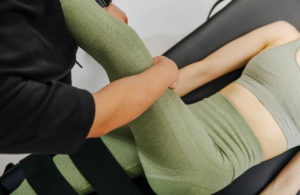
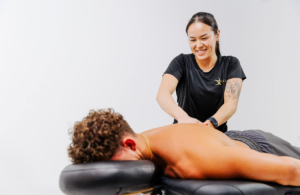
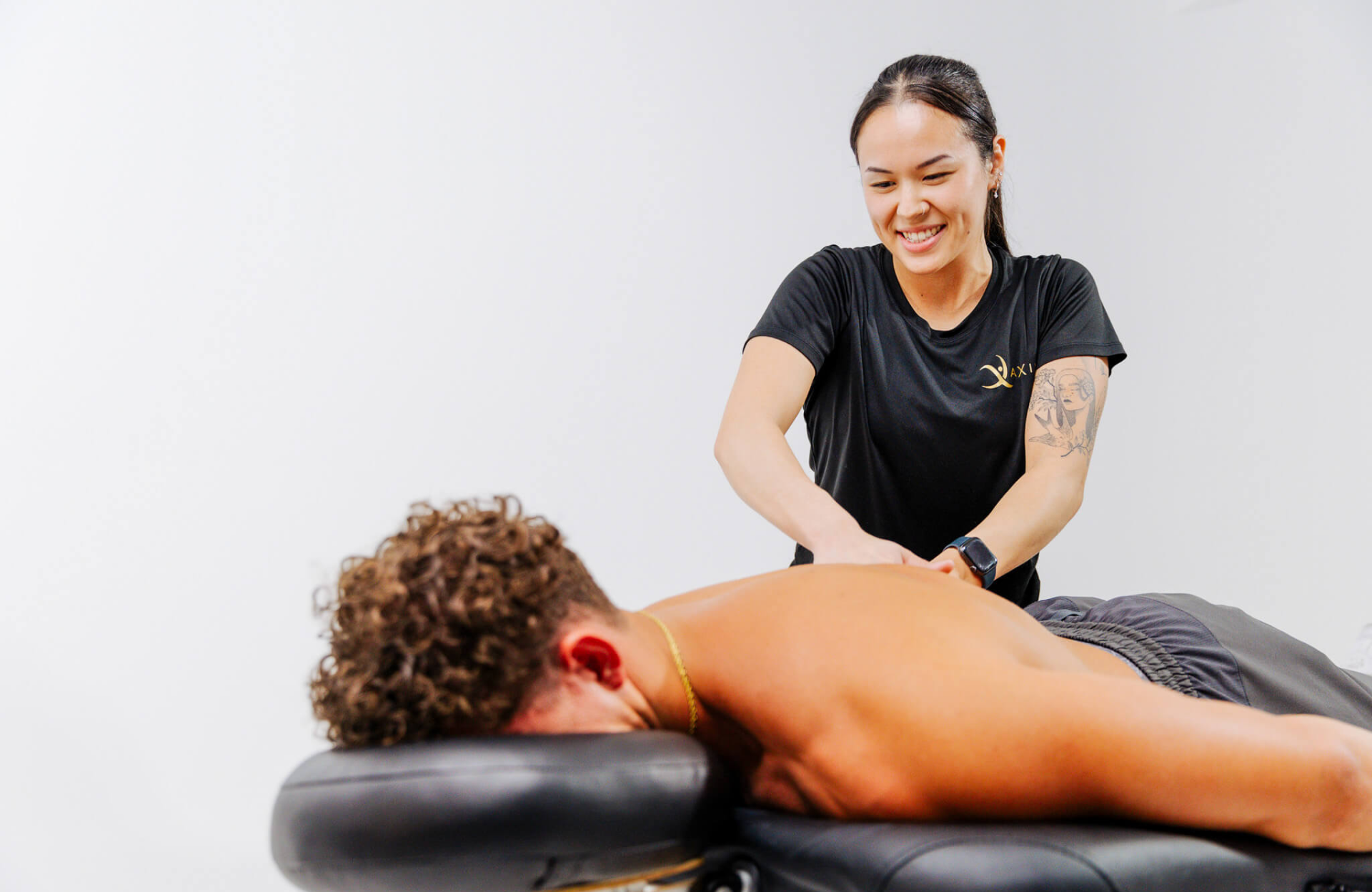
Deep tissue massage is delivered in two main environments: spa settings and clinical practices. For musculoskeletal conditions, injury recovery, or performance support, a clinical setting offers distinct advantages.
In a clinical environment:
- Therapists perform a structured assessment before treatment begins
- Treatment is goal-directed, with progress monitored between sessions
- Collaboration with physiotherapists and other practitioners is possible
- Care is integrated into a broader rehabilitation or performance plan
In a multidisciplinary clinic, registered massage therapists work alongside physiotherapists and chiropractors, allowing coordination across disciplines when needed. This integrated approach can enhance outcomes by addressing the full scope of functional and structural needs.
Common Conditions Treated with Deep Tissue Massage
Deep tissue massage at Axis Therapy can address a wide range of presentations, including:
- Chronic neck and shoulder tension, often requiring coordinated care through neck pain physiotherapy Mississauga or Markham neck pain physiotherapy alongside manual therapy
- Lower back pain from postural strain or injury, where deep tissue work pairs effectively with lower back pain physiotherapy Mississauga or Markham lower back pain physiotherapy
- IT band tightness and runner’s knee, particularly for athletes already engaged in physiotherapy for runners in Mississauga
- Post-surgical scar tissue and mobility restriction, commonly managed as part of a broader post-surgery physiotherapy Mississauga or Markham post-surgery physiotherapy plan
- Sports injuries including muscle strains and tears, often treated in conjunction with sports injury physiotherapy Mississauga or Markham sports injury physiotherapy
- Headaches related to suboccipital and cervical tension, where massage therapy combined with chiropractic care for back and neck pain can effectively address cervicogenic headaches
How to Evaluate a Deep Tissue Massage Provider Nearby
Before booking, consider these questions:
- Is the therapist registered with the CMTO?
- Does the clinic conduct a health intake before the first session?
- Is deep tissue massage integrated with other rehabilitation services if needed?
- Does the clinic direct-bill extended health benefits?
- Are there physiotherapists or chiropractors available for collaborative care?
Axis Therapy answers yes to all of these. Our team of registered massage therapists is part of a multidisciplinary clinical environment built around measurable patient outcomes.
Booking a Deep Tissue Massager Nearby at Axis Therapy
Axis Therapy and Performance operates multiple locations throughout the Greater Toronto Area, offering consistent access to deep tissue massage. Each clinic follows the same standards of care and training framework, focusing on addressing the root causes of pain rather than temporary relief. Services include a range of therapeutic and sports massage options designed to support recovery and performance for athletes and active individuals across the GTA.
Frequently Asked Questions
1. How do I find a registered deep tissue massage therapist near me in Toronto?
CMTO maintains a public directory of registered massage therapists in Ontario. You can also search by clinic name to confirm that therapists at a specific practice hold active registration. Credentials for all registered massage therapists practicing at Axis Therapy locations across the Greater Toronto Area can be reviewed for reference.
2. What should I bring to my first deep tissue massage appointment?
No special preparation is required. Wear comfortable clothing and arrive a few minutes early to complete the intake form. If you have relevant medical records or imaging related to your condition, bringing these to your first session helps the therapist understand your history.
3. How often should I see a deep tissue massage therapist?
For most conditions, an initial schedule of weekly sessions, followed by bi-weekly maintenance, provides a practical starting framework. Therapists adjust session frequency based on individual response to treatment and the specific nature of the condition. Additional guidance on supporting tissue recovery and reducing muscle soreness between sessions is available through expert resources on recovery strategies.
4. Does Axis Therapy offer direct billing for deep tissue massage?
Yes. Axis Therapy provides direct billing for most major extended health benefit providers. Contact our front desk or check our website to confirm whether your specific plan is supported.
5. What is the typical cost of deep tissue massage in Toronto?
Rates vary by session length and clinic. At Axis Therapy, pricing is transparent and sessions are billed at registered massage therapy rates that are typically eligible for extended health reimbursement.
Experience the Standard of Care at Axis Therapy
Proximity matters when choosing a massage provider, but clinical quality is what determines whether you actually recover. At Axis Therapy and Performance, you get both. Expert registered massage therapists, multiple Toronto locations, and an integrated care model that puts your outcome at the center of every session. Book your appointment at an Axis Therapy location near you and discover what a clinical standard of deep tissue massage feels like.
Key Takeaways
- CMTO registration is the baseline requirement for any massage therapist practicing in Ontario.
- A clinical setting provides significantly better conditions for treating musculoskeletal conditions than a spa environment.
- An intake and assessment process before treatment is a marker of quality and clinical accountability.
- Axis Therapy operates multiple GTA locations with consistent training standards across all therapists.
- Combining deep tissue massage with physiotherapy or chiropractic care improves outcomes for complex conditions.