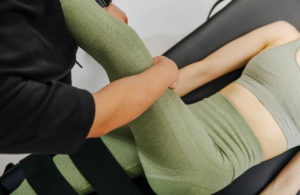

Myofascial release and deep tissue massage both work on the deeper layers of the body, but they target different structures with different mechanisms. Understanding the distinction helps you communicate more clearly with your therapist and choose the approach best suited to your condition and recovery goals.
Two Powerful Techniques, Two Different Mechanisms
Clients frequently ask about the difference between myofascial release vs deep tissue massage. Both are manual therapy techniques applied by registered massage therapists. Both address tissue dysfunction beneath the surface. But the way they work, the structures they target, and the conditions they are best suited for differ in meaningful ways.
At Axis Therapy and Performance in Toronto, therapists are trained in both myofascial release and deep tissue massage, applying each approach according to the specific needs of the tissue. Whether addressing injury recovery, chronic conditions, or enhancing athletic performance, understanding the differences between these techniques can help guide treatment decisions and ensure a targeted, effective approach. Both methods are used to address distinct tissue structures and patterns of tension, allowing for a more precise and individualized therapy session.
What Is Deep Tissue Massage?
Deep tissue massage applies slow, deliberate pressure through multiple layers of skeletal muscle to reach the deeper structures driving pain and restriction. The therapist uses thumbs, knuckles, forearms, and elbows to systematically work through superficial tissue before targeting the deeper musculature and associated connective tissue.
The primary goals of deep tissue massage are to:
- Break down adhesions and scar tissue within muscle fibers
- Reduce hypertonic (chronically tight) muscle tone
- Improve circulation within restricted tissue
- Decrease the sensitivity of overloaded neural structures
Deep tissue massage is especially effective for targeted musculoskeletal conditions. It is commonly used to address lower back pain, neck and shoulder tension, sports-related muscle injuries, and post-surgical scar tissue. This technique works alongside physiotherapy approaches to support recovery and improve mobility in affected areas.
What Is Myofascial Release?
Myofascial release targets the fascial system: the dense, continuous web of connective tissue that surrounds and connects every muscle, bone, organ, and nerve in the body. When the fascia becomes restricted through injury, inflammation, repetitive stress, or poor movement patterns, it can create tension and pain far removed from the actual site of restriction.
Myofascial release uses gentle to moderate, sustained pressure applied to specific points of fascial restriction. Unlike deep tissue massage, it does not follow the direction of muscle fibers. Instead, the technique works along the tension patterns within the fascial network, holding pressure at restriction points until the tissue gradually releases. Fascial stretch therapy can complement myofascial release by addressing restrictions across the broader kinetic chain through assisted stretching techniques.
The technique is characterized by:
- Slow, sustained pressure held for 90 seconds to several minutes per restriction
- Three-dimensional tissue engagement that follows the body’s response
- A gentler overall force application compared to deep tissue work
- Addressing the broader fascial chain, not just a local muscle
Key Differences Between the Two Approaches
Target Structure
Deep tissue massage primarily targets skeletal muscle and the connective tissue directly surrounding it. Myofascial release targets the broader fascial system and its global restriction patterns.
Pressure and Technique
Deep tissue massage typically involves more force, directional pressure, and active tissue engagement. Myofascial release uses sustained, lighter pressure and waits for the tissue to respond rather than forcing movement through it.
Scope of Effect
Deep tissue massage produces localized effects at the specific region being treated. Myofascial release can produce effects throughout the fascial chain, meaning release in one area may reduce tension or pain in a completely different part of the body. This is why myofascial release is often used when pain patterns do not map neatly to a single local structure.
Session Experience
Deep tissue massage sessions typically involve noticeable, productive pressure and occasional discomfort as adhesions are worked through. Myofascial release sessions are often quieter and less intense, with clients sometimes experiencing emotional release or sensations in areas distant from where the therapist is working.
Which Conditions Does Each Approach Treat Best?
Deep Tissue Massage Is Well Suited For:
- Acute and chronic muscle injuries
- Lower back pain caused by postural strain or disc conditions
- Sports recovery and performance maintenance, supporting muscle repair and overall athletic function
- Post-surgical scar tissue, helping improve mobility and complementing rehabilitation efforts
- Specific trigger points and areas of localized muscle tightness (hypertonicity)
Myofascial Release Is Well Suited For:
- Diffuse or poorly localized pain patterns
- Fibromyalgia and chronic widespread pain
- Postural dysfunction affecting multiple body regions
- Conditions with a significant neural or fascial component, where tension may affect areas beyond the site of pain
- Clients who find deep pressure irritating or who have heightened pain sensitivity
When Both Are Used Together
In clinical practice, myofascial release and deep tissue massage are often combined within a single session or across a series of treatments. A therapist may start with myofascial release to address broader fascial tension and then use deep tissue techniques to target specific muscle structures. The choice and combination of techniques are guided by the initial assessment, tissue evaluation, and individual treatment response.
These approaches can also complement physiotherapy and chiropractic care, particularly for complex conditions that benefit from both hands-on tissue work and active rehabilitation. Integrating manual therapy with rehabilitative exercises can support a smoother transition from recovery to full functional performance.
How to Know Which One You Need
The most reliable way to determine which technique is appropriate for your condition is through a proper clinical assessment. Trying to self-diagnose the right technique based on generic information is less useful than speaking directly with a registered massage therapist who can evaluate your specific presentation.
As a general guide:
- If your pain is localized, condition-specific, and tied to a known muscle or joint issue, deep tissue massage is likely the better starting point.
- If your pain is widespread, poorly localized, or does not respond well to direct pressure, myofascial release may be more appropriate.
- If you are unsure, your Axis Therapy therapist will assess your tissue and recommend the right approach.
Understanding Your Options for Better Care
Understanding the difference between myofascial release and deep tissue massage helps clients participate more effectively in their own recovery. Combining these techniques with a comprehensive rehabilitation approach can enhance outcomes, particularly when care is coordinated across multiple disciplines. An integrated team model allows for a coordinated approach that addresses both tissue-level concerns and functional rehabilitation, providing a broader spectrum of care than single-technique treatments alone.
Frequently Asked Questions
1. Is myofascial release painful?
Myofascial release uses gentler pressure than deep tissue massage and is generally well tolerated even by clients with heightened pain sensitivity. Some clients experience mild discomfort at restriction points, but sharp or intense pain is not a feature of correctly applied myofascial release.
2. Can I request a specific technique when booking at Axis Therapy?
Yes. When booking your appointment, you can note your preference or describe your condition. Your therapist will incorporate your input into the session design while adapting based on what they find during the assessment.
3. How many sessions of myofascial release are typically needed?
Response to myofascial release varies widely depending on the chronicity and complexity of the condition. Some clients notice significant improvement within two to three sessions. Others with long-standing fascial restriction require six to ten sessions as part of a broader treatment plan.
4. Are myofascial release and deep tissue massage both covered by insurance?
Both techniques are typically included under registered massage therapy coverage on extended health benefit plans in Ontario, since they are delivered by CMTO-registered therapists. Confirm your specific coverage with your benefits provider. Visit our locations page to confirm direct billing availability at your nearest Axis Therapy clinic.
5. Which technique is better for athletes?
Both techniques are valuable in athletic contexts. Deep tissue massage addresses specific muscle overuse and injury recovery. Myofascial release addresses broader movement restrictions and postural imbalances that affect performance across multiple joints and planes. Many athletes benefit from both as part of an integrated treatment and performance support program.
Book a Session with a Skilled Therapist at Axis Therapy
Whether your condition calls for the targeted pressure of deep tissue massage or the sustained fascial release of myofascial technique, Axis Therapy and Performance has the therapists and the clinical structure to deliver the right care. Our integrated model means your massage therapy is never delivered in isolation. It connects to a broader plan for your health, movement, and performance. Book your appointment in Toronto today and take a more informed step toward recovery.
Key Takeaways
- Deep tissue massage targets specific muscle layers and adhesions with directional pressure. Myofascial release targets the broader fascial system with sustained, lighter pressure.
- Deep tissue massage is best for localized musculoskeletal conditions. Myofascial release suits diffuse pain patterns and fascial restriction across multiple body regions.
- Both techniques are frequently integrated within the same session or treatment series for complex presentations.
- The best way to determine which technique suits your condition is through a proper clinical assessment by a registered massage therapist.
- Axis Therapy Toronto therapists are trained in both approaches and integrate them based on your individual tissue findings and recovery goals.