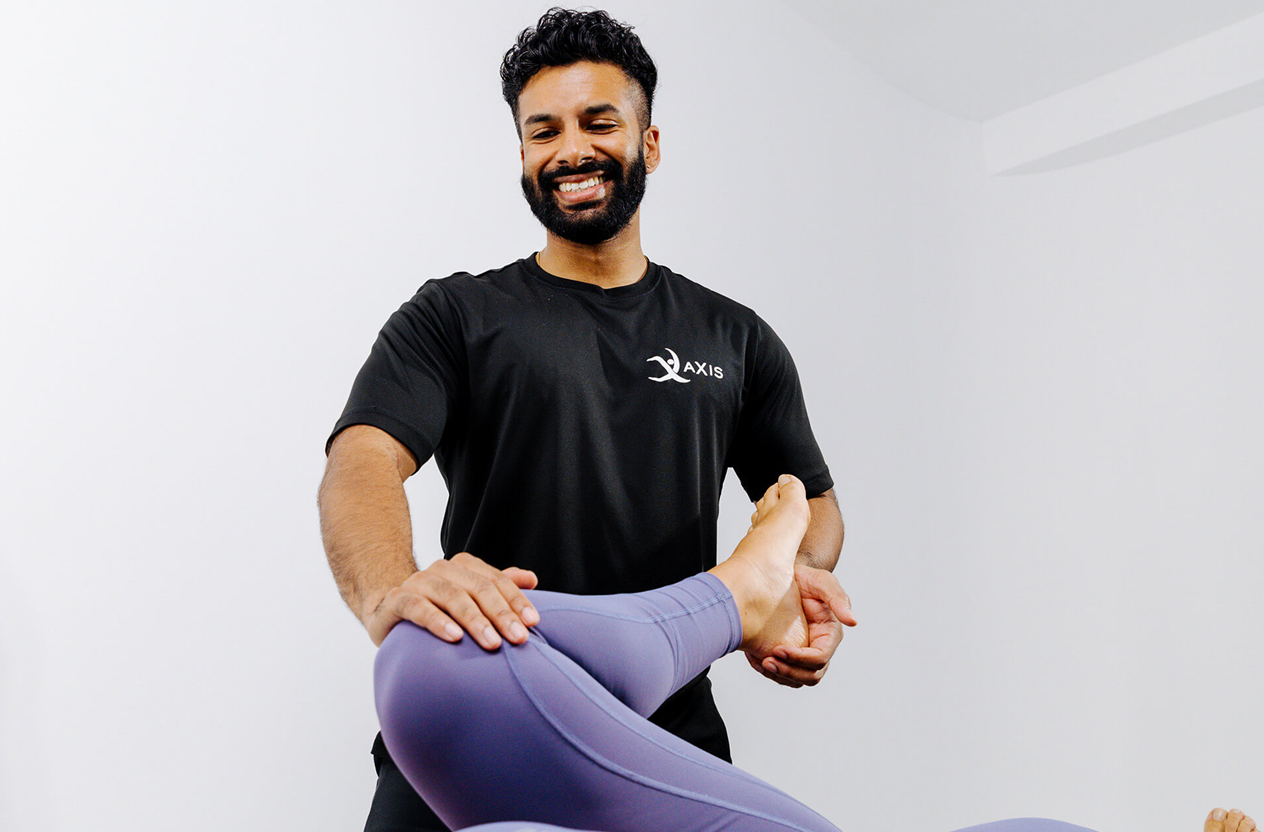
Deep tissue massage for plantar fasciitis targets the inflamed plantar fascia band, surrounding calf musculature, and foot intrinsics to reduce pain, restore mobility, and support the structural recovery of the foot. It is one of the most clinically effective hands-on treatments for this condition, particularly when combined with targeted physiotherapy.
The Reality of Plantar Fasciitis Pain
That first step out of bed in the morning. The heel pain that spikes after sitting for an hour and then standing up again. Plantar fasciitis has a recognizable pattern, and for many people, it becomes a persistent, frustrating condition. Standard advice to rest, ice, and stretch often provides temporary relief but does not address the tissue-level restrictions that perpetuate the problem. Deep tissue massage for plantar fasciitis offers a more direct approach.
At Axis Therapy and Performance in Toronto, massage therapists and physiotherapists work together to address plantar fasciitis comprehensively. The focus is on resolving the underlying dysfunction rather than managing symptoms indefinitely, helping restore the ability to walk, train, and move without restriction. For individuals dealing with related conditions, coordinated care with chiropractic services can also address alignment factors contributing to foot pain.
Understanding Plantar Fasciitis
The plantar fascia is a thick band of connective tissue that runs along the sole of the foot from the heel bone to the base of the toes. It supports the arch and absorbs the repetitive load placed on the foot during walking, running, and standing.
Plantar fasciitis develops when this tissue becomes overloaded. The fibers sustain micro-tears, inflammation sets in at the calcaneal insertion point, and the surrounding musculature becomes tight and guarded. Over time, the tissue loses elasticity and the pain cycle becomes self-reinforcing.
How Deep Tissue Massage Treats Plantar Fasciitis
Direct Fascial Work
Therapists apply deliberate transverse friction and longitudinal stripping techniques to the plantar fascia itself. This breaks down scar tissue and micro-adhesions that have accumulated within the band, restoring the natural extensibility of the tissue. Fascial stretch therapy complements this work by addressing fascial restrictions across the broader lower limb chain.
Calf and Achilles Release
Tightness in the gastrocnemius and soleus muscles places increased tensile load on the plantar fascia with every step. Releasing these structures through deep tissue work directly reduces the mechanical stress driving the condition. This is often where significant pain relief begins. Combining this with a physiotherapy exercise program targeting calf strength and ankle mobility produces faster, more durable results.
Intrinsic Foot Muscle Treatment
The small muscles within the foot itself play an underappreciated role in plantar fasciitis. When these intrinsics are weak or restricted, the plantar fascia must compensate for the reduced muscular support. Deep tissue techniques targeting the foot’s intrinsic muscles reduce this compensatory loading pattern.
Trigger Point Release
Active trigger points in the calf, foot, and even the hip can refer pain to the heel and sole. Identifying and releasing these points is a standard component of a well-structured deep tissue session for plantar fasciitis. Sports massage often incorporates trigger point work as part of a broader athletic recovery and injury management approach.
What Makes Plantar Fasciitis Stubborn?
Several factors contribute to the persistence of plantar fasciitis:
- Inadequate tissue load management during the initial stages of injury
- Tight calf and Achilles complex that is never properly addressed
- Weak foot and hip musculature that transfers excess load to the fascia
- Inappropriate footwear or training surfaces
- Return to full activity before the tissue has adequately recovered
At Axis Therapy, an integrated approach addresses each of these contributors. Massage therapy works on the tissue directly, while physiotherapy rebuilds the strength and movement patterns that protect the fascia long-term. Structuring a gradual transition from pain management to full function is essential for sustained recovery.
Timeline for Recovery
Acute plantar fasciitis, addressed promptly with consistent treatment, often resolves within six to eight weeks. Chronic presentations that have been present for months or longer require a more extended timeline, typically three to six months of structured intervention.
Most individuals notice reduced morning pain within the first two to three sessions of deep tissue massage when combined with active rehabilitation. Full resolution requires patience and consistency. A therapist will track progress and adjust the treatment approach based on how the tissue responds.
Combining Massage with Other Treatments
Deep tissue massage for plantar fasciitis is most effective as part of a broader treatment plan.
At Axis Therapy Toronto, we integrate massage with:
- Physiotherapy for load management, strengthening, and functional rehabilitation
- Shockwave therapy when chronic degeneration requires a more aggressive stimulus
- Orthotics assessment to address mechanical contributors
- Gait analysis for athletes and runners to identify foot and lower limb loading patterns that contribute to plantar fasciitis
Addressing stride and movement factors is particularly important for runners, as these are among the most common drivers of the condition.
Who Should Consider This Treatment?
Deep tissue massage for plantar fasciitis is appropriate for:
- Runners and athletes dealing with persistent heel and arch pain
- Professionals who spend long hours on their feet
- Individuals who have tried rest and stretching without resolution
- Anyone post-surgery or post-immobilization looking to restore tissue quality
- Clients managing plantar fasciitis alongside other lower limb conditions
Runners dealing with plantar fasciitis alongside other training-related complaints may also benefit from physiotherapy for runners in Mississauga or Markham physiotherapy for runners, where care is tailored to the specific demands of running and lower limb recovery.
Finding Lasting Relief from Plantar Fasciitis in Toronto
Plantar fasciitis responds well to skilled manual therapy. The key is ensuring the treatment addresses all contributing structures, not just the point of pain. At Axis Therapy and Performance, therapists take a thorough, evidence-based approach to every session, combining massage therapy services with full rehabilitation services to deliver integrated care that sets this model apart from single-discipline clinics.
Frequently Asked Questions
1. Can deep tissue massage make plantar fasciitis worse?
If performed without proper technique or applied too aggressively in the acute phase, deep tissue massage can temporarily aggravate symptoms. A skilled therapist will assess the irritability of the tissue and calibrate the pressure accordingly. Light to moderate techniques are typically used in acute presentations before progressing to deeper work.
2. How many sessions of deep tissue massage are needed for plantar fasciitis?
Most clients require six to ten sessions, depending on the duration and severity of the condition. Sessions are typically scheduled weekly in the acute phase, then spaced out as the tissue improves. Read our blog post on speeding up recovery and reducing muscle soreness for guidance on how to support tissue recovery between sessions.
3. Should I combine deep tissue massage with stretching exercises?
Yes. Consistent calf stretching, plantar fascia mobilization, and foot strengthening exercises significantly enhance the results of deep tissue massage. Your physiotherapist will prescribe a specific home exercise program tailored to your presentation.
4. Is deep tissue massage covered by insurance for plantar fasciitis?
Massage therapy provided by a registered massage therapist is covered by most extended health benefit plans in Ontario. We recommend confirming your specific coverage with your insurer. Axis Therapy provides direct billing for eligible plans.
5. What is the difference between deep tissue massage and myofascial release for plantar fasciitis?
Deep tissue massage uses sustained directional pressure to work through tissue layers. Myofascial release applies gentle, sustained pressure to the fascial system to release restrictions across a broader area. Both have a role in plantar fasciitis treatment and are often used in combination. Registered massage therapists determine which techniques are appropriate based on individual tissue assessment, drawing from a range of massage therapy approaches to match each presentation.
Book Your Assessment at Axis Therapy Toronto
Persistent plantar fasciitis is a resolvable condition with the right treatment approach. Do not accept heel pain as a permanent limitation. Our team of registered massage therapists and physiotherapists at Axis Therapy Toronto is ready to build a plan that addresses the root cause and gets you back to full function. Schedule your appointment today and take the first real step toward pain-free movement.
Key Takeaways
- Deep tissue massage targets the plantar fascia, calf complex, and intrinsic foot muscles to address the root drivers of plantar fasciitis pain.
- Calf and Achilles release is often the most impactful component of a deep tissue session for this condition.
- Acute presentations typically resolve faster than chronic cases, but both respond well to a structured treatment plan.
- Combining massage therapy with physiotherapy-led exercise rehabilitation produces better long-term outcomes than massage alone.
- Axis Therapy Toronto offers integrated plantar fasciitis care with RMTs, physiotherapists, and chiropractors in one clinic.