Deep tissue massage for piriformis syndrome targets the deep external rotator group in the posterior hip to relieve the muscular compression driving buttock pain, hip restriction, and sciatic nerve referral. It is one of the most clinically effective manual therapy interventions for this condition, particularly when combined with physiotherapy-led hip strengthening.
Understanding Piriformis Syndrome
Piriformis syndrome is a condition in which the piriformis muscle, located deep in the posterior hip beneath the gluteal mass, becomes hypertonic, inflamed, or develops active trigger points. Because the sciatic nerve runs in close proximity to the piriformis, restriction in this muscle can compress or irritate the nerve, producing a pain pattern that travels from the deep buttock into the hip and down the posterior thigh. This referral pattern is frequently confused with true lumbar sciatica. Deep tissue massage for piriformis syndrome addresses the muscular source directly.
At Axis Therapy and Performance in Toronto, therapists commonly manage piriformis syndrome through massage therapy and physiotherapy programs. The clinic’s integrated approach is well suited to this condition, as distinguishing piriformis syndrome from lumbar-related sciatica often requires both manual assessment and movement analysis. Understanding these differences is important for accurate diagnosis and targeted treatment.
What Causes the Piriformis to Become Restricted?
Several factors contribute to piriformis restriction and the development of syndrome:
- Prolonged sitting, which places the piriformis in a shortened, loaded position for extended periods
- Overuse from running, cycling, or sports that involve repetitive hip external rotation can contribute to piriformis syndrome. Restrictions in the hip external rotators may affect running mechanics and efficiency.
- Weak hip abductors and external rotators that force the piriformis to compensate beyond its capacity
- Acute trauma such as a direct fall on the buttock or a sudden change of direction
- Postural dysfunction involving anterior pelvic tilt or hip internal rotation during gait
Understanding the contributing factors helps guide treatment. Manual therapy addresses immediate tissue restrictions, while rehabilitation focuses on underlying movement and strength deficits. Strength and movement rehabilitation is structured alongside manual therapy to support recovery and improve overall function.
How Deep Tissue Massage Treats the Piriformis
Direct Trigger Point Release
The piriformis harbors some of the most potent trigger points in the posterior chain. Direct ischemic pressure held at these points reduces the chemical sensitization driving referral pain and restores normal resting length to the muscle. Because the piriformis is located deep beneath the gluteal musculature, accessing it requires specific positioning and precise technique.
Releasing the Surrounding Rotator Group
The piriformis does not function in isolation. The five smaller deep external rotators, including the obturator internus and gemelli, share mechanical load with the piriformis and frequently contribute to the same pain pattern. A thorough deep tissue treatment addresses the entire rotator complex, not just the piriformis in isolation.
Gluteal Release
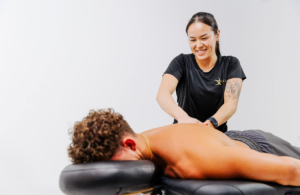
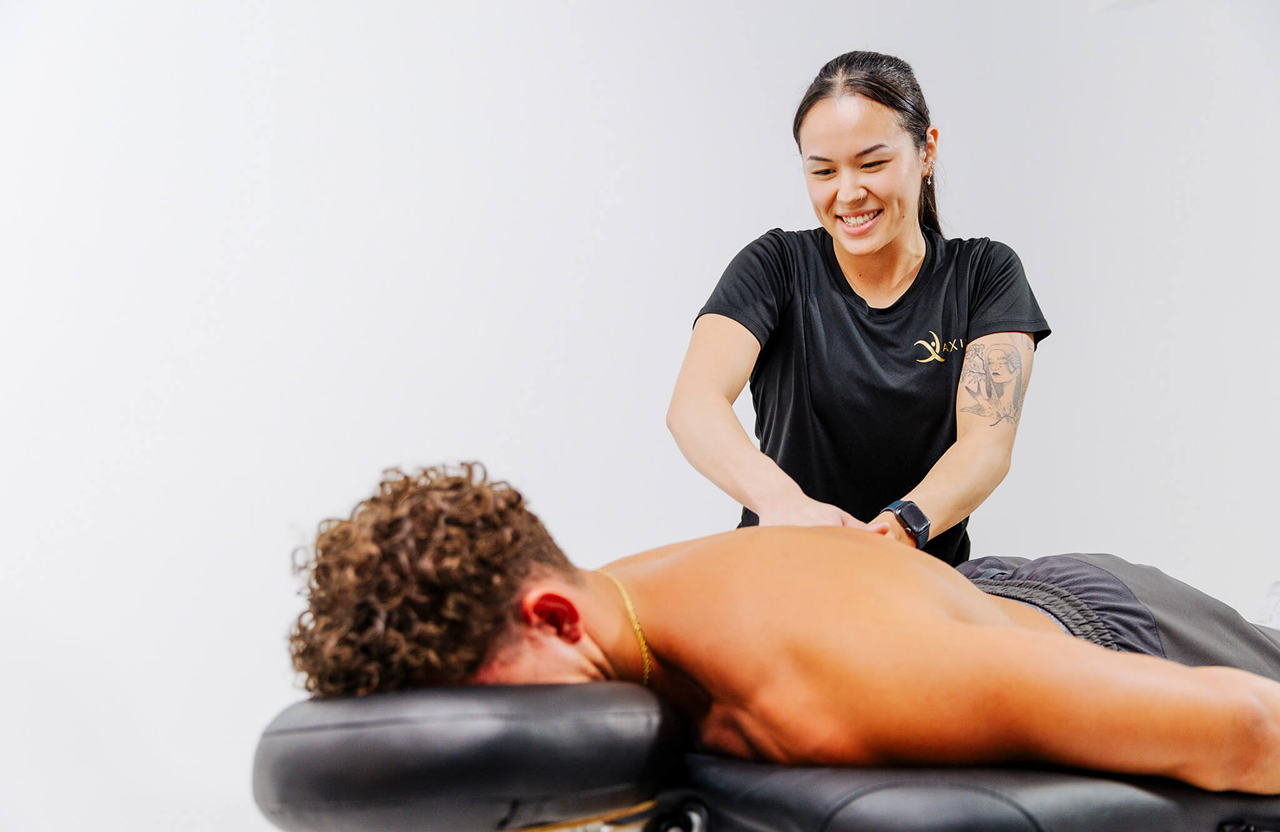
Gluteus maximus and medius restrictions overlay and compound piriformis dysfunction. Releasing these superficial structures first allows the therapist to access the deeper rotators more effectively and reduces the global tension in the posterior hip that amplifies sciatic nerve sensitivity. Our sports massage service incorporates posterior chain trigger point work as part of a broader athletic recovery and hip dysfunction approach.
Reducing Neural Tension
Chronic piriformis tightness can irritate the sciatic nerve as it passes through the posterior hip. Deep tissue massage helps reduce this mechanical pressure on the nerve, decreasing neural sensitivity that contributes to pain during prolonged sitting, hip flexion, and walking. Massage therapy is often used alongside chiropractic care to manage sciatic nerve irritation and support overall recovery.
Positioning for Piriformis Treatment
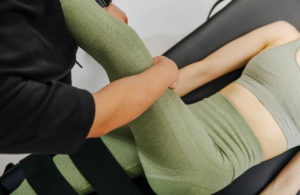
Accessing the piriformis effectively requires the hip to be positioned in either internal rotation or a figure-four stretch to place the muscle on mild tension. Your therapist will guide you into the appropriate position before treatment begins. Side-lying or prone positioning is most commonly used depending on body type and the specific area of restriction. \
What Differentiates Piriformis Syndrome from True Sciatica?
The distinction is clinically important because the treatments differ significantly. True sciatica involves nerve root compression at the lumbar spine and is managed primarily through spinal physiotherapy and load management. Piriformis syndrome involves peripheral compression of the sciatic nerve at the hip and responds to direct soft tissue treatment of the posterior hip.
Clues that suggest piriformis syndrome rather than lumbar-related sciatica include pain localized to the deep buttock rather than the lower back, discomfort that worsens with prolonged sitting or hip flexion, and the absence of lumbar spine symptoms. A thorough assessment by a physiotherapist can differentiate these conditions and guide appropriate treatment.
Combining Massage with Rehabilitation for Piriformis Syndrome
Deep tissue massage relieves the immediate restriction driving piriformis syndrome but does not address the underlying movement and strength deficits that allowed it to develop.
At Axis Therapy and Performance, massage therapy for piriformis syndrome is integrated with a physiotherapy-led rehabilitation plan that targets:
- Hip external rotator and abductor strengthening
- Gluteal activation and motor control
- Gait correction and movement retraining can help address factors that contribute to piriformis overload. Analyzing movement patterns allows clinicians to identify gait and loading issues that may exacerbate symptoms.
- Ergonomic assessment for desk workers
- Chiropractic assessment for lumbopelvic alignment when indicated
The active rehabilitation phase of piriformis recovery builds on initial pain relief, focusing on restoring strength, mobility, and functional performance. This phase supports the transition from rehabilitation to full activity.
What Results to Expect and When
Most clients with piriformis syndrome notice a reduction in deep buttock pain and improved hip mobility within three to five deep tissue sessions. Sciatic referral symptoms typically reduce as the trigger point activity in the piriformis and surrounding rotators resolves. Full resolution of the condition, including prevention of recurrence, requires the accompanying rehabilitation program.
Clients experiencing piriformis pain for several months or longer may require an extended course of treatment. Chronic conditions often involve more extensive tissue restrictions and increased neural sensitivity, which take time to resolve. Progress is monitored throughout the treatment series, and strategies such as targeted exercises and recovery practices can help support tissue healing and manage soreness between sessions.
Frequently Asked Questions
1. How long does it take for deep tissue massage to relieve piriformis syndrome?
Acute presentations typically respond within three to five sessions. Chronic piriformis syndrome affecting daily function may require eight to twelve sessions alongside active rehabilitation. Progress is tracked session to session and treatment is adjusted accordingly.
2. Is deep tissue massage for piriformis syndrome painful?
Treatment of the piriformis involves working through the gluteal mass to access a deep, often sensitive muscle. There will be notable pressure and likely referral sensation during trigger point work. This should feel productive rather than sharp. Your therapist will check in throughout the session and calibrate pressure based on your response.
3. Can I continue to exercise during treatment for piriformis syndrome?
In most cases, yes, with modification. High-impact or high-load activities that aggravate symptoms should be reduced initially. Your physiotherapist will advise on appropriate activity levels and introduce progressive loading as the tissue responds to treatment.
4. What stretches complement deep tissue massage for piriformis syndrome?
The supine figure-four stretch and seated piriformis stretch are the most commonly prescribed stretches for this condition. Hip external rotator strengthening exercises complement the stretching work. Your physiotherapist at Axis Therapy will prescribe a specific home program based on your assessment findings. Our fascial stretch therapy service can also supplement the home stretching program by providing assisted fascial and muscle release across the posterior hip and external rotator chain.
5. Is piriformis syndrome the same as sciatica?
No. Piriformis syndrome involves peripheral compression of the sciatic nerve at the hip. True sciatica involves nerve root compression at the lumbar spine. The symptoms can overlap significantly, which is why a proper clinical assessment is important before beginning treatment.
Resolve Deep Buttock Pain with Expert Care at Axis Therapy
Piriformis syndrome is a highly treatable condition when approached with the right combination of manual therapy and active rehabilitation. Axis Therapy and Performance brings together registered massage therapists and physiotherapists who work collaboratively to address both the tissue restriction and the underlying drivers of the condition. Book your appointment in Toronto today and start the path toward a hip that moves freely and without pain.
Key Takeaways
- Piriformis syndrome involves deep external rotator restriction that compresses the sciatic nerve at the hip, not the lumbar spine.
- Deep tissue massage targets the piriformis, surrounding rotators, and gluteal musculature to reduce compression and restore hip mobility.
- Distinguishing piriformis syndrome from true lumbar sciatica is clinically important and shapes the treatment approach.
- Most clients see meaningful improvement within three to five sessions when combined with a rehabilitation program.
- Axis Therapy Toronto offers integrated piriformis treatment with RMTs and physiotherapists in the same clinic.